

Space saving techniques can transform even the smallest rooms into functional, clutter-free environments. Whether someone lives in a compact apartment or simply wants to make better use of their home, the right strategies make all the difference. Small spaces don’t have to feel cramped. With smart planning and a few clever tricks, anyone can create a home that feels open, organized, and comfortable. This guide covers practical methods, from decluttering basics to vertical storage and multi-functional furniture, that help maximize every square foot.
Table of Contents
ToggleKey Takeaways
- Space saving techniques start with decluttering—sort items into keep, donate, and discard categories to create a solid foundation for organization.
- Vertical storage solutions like floating shelves, pegboards, and over-door organizers transform unused wall space into valuable storage real estate.
- Multi-functional furniture such as Murphy beds, storage ottomans, and lift-top coffee tables maximize utility while minimizing square footage.
- Apply the “one in, one out” rule to prevent clutter from accumulating and keep your space saving efforts sustainable long-term.
- Target overlooked areas with creative organization tools like under-sink organizers, corner shelves, and drawer dividers to squeeze function from every inch.
- Zone-based organization assigns specific purposes to different areas, ensuring items have logical homes and surfaces stay clutter-free.
Decluttering as the Foundation of Space Saving
Every effective space saving plan starts with decluttering. It’s impossible to organize a home properly when there’s too much stuff. Reducing possessions creates room for what truly matters and makes other space saving techniques far more effective.
Start by sorting items into three categories: keep, donate, and discard. Be honest during this process. If something hasn’t been used in over a year, it probably won’t be missed. Sentimental items deserve consideration, but they shouldn’t take up valuable space if they’re never displayed or enjoyed.
The “one in, one out” rule helps maintain a decluttered home long-term. For every new item that enters, an old one leaves. This simple habit prevents accumulation and keeps spaces manageable.
Room-by-room decluttering works better than tackling everything at once. Focus on one closet, one drawer, or one shelf at a time. Small victories build momentum and make the entire process less overwhelming.
Digital alternatives offer another space saving opportunity. Scan important documents instead of filing paper copies. Stream music and movies rather than collecting physical media. These shifts free up surprising amounts of storage space.
Decluttering isn’t a one-time event, it’s an ongoing practice. Schedule quarterly reviews to reassess belongings and prevent clutter from creeping back. A consistently decluttered home provides the foundation for all other space saving techniques to work effectively.
Vertical Storage Solutions
Vertical storage transforms overlooked wall space into valuable real estate. Most homes have plenty of unused vertical area just waiting to be claimed. Looking up, literally, opens new possibilities for space saving.
Floating shelves represent one of the easiest vertical storage solutions. They hold books, plants, decorative items, and everyday essentials without eating into floor space. Install them above desks, beds, or toilets to capture otherwise wasted areas.
Pegboards aren’t just for garages anymore. In kitchens, they hold utensils, pots, and spices. In offices, they organize supplies. In craft rooms, they display tools and materials. The customizable nature of pegboards makes them adaptable to any room’s needs.
Over-door organizers provide instant storage without installation hassles. They work for shoes, accessories, cleaning supplies, pantry items, and bathroom products. A $20 over-door rack can add significant storage capacity to any room.
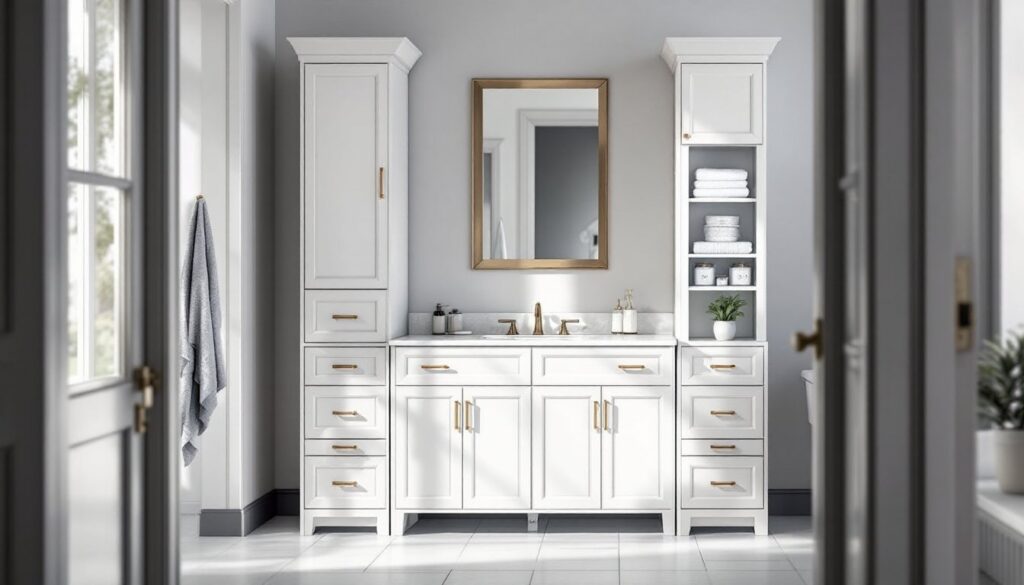
Tall, narrow furniture pieces maximize vertical space without dominating floor area. A slim bookcase reaching toward the ceiling stores more than a wide, short one while occupying less square footage. Vertical dressers work the same way in bedrooms.
Ceiling-mounted storage works well in garages, basements, and even kitchens. Hanging pot racks, overhead bins, and suspended shelving systems keep items accessible while clearing floor and counter space. These space saving techniques prove especially valuable in tight quarters.
Hooks deserve special mention. They’re inexpensive, easy to install, and incredibly versatile. Place them behind doors, inside cabinets, along hallways, and in closets. A few strategically placed hooks can eliminate piles and create order quickly.
Multi-Functional Furniture Ideas
Multi-functional furniture serves double or triple duty, making it essential for space saving in small homes. These pieces deliver maximum utility from minimal square footage.
Storage ottomans work as seating, footrests, coffee tables, and hidden storage all in one package. They’re perfect for stashing blankets, magazines, toys, or games out of sight. Some even convert into guest beds.
Murphy beds (wall beds) remain the gold standard for bedroom space saving. When folded up, they free entire rooms for other uses. Modern versions include built-in desks, shelving, and sofas. A spare room becomes a home office by day and a guest bedroom by night.
Nesting tables provide flexibility without permanent commitment. Use them individually when needed, then stack them together to reclaim floor space. The same concept applies to nesting stools and folding chairs.
Lift-top coffee tables offer hidden storage compartments and raised work surfaces. They’re ideal for people who work from home or eat meals in living rooms. The lift mechanism brings the surface to a comfortable height for typing or dining.
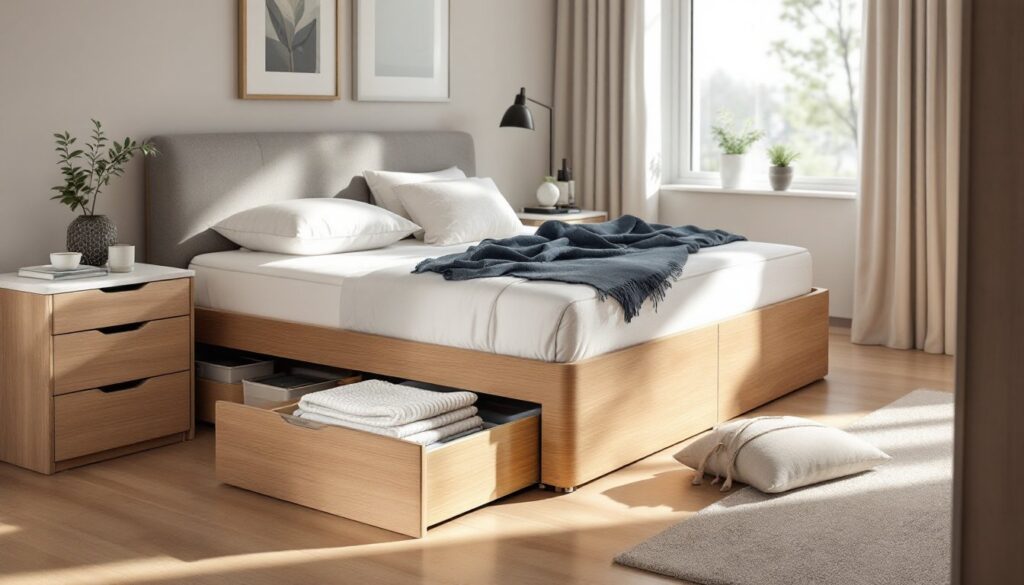
Storage beds feature drawers or lift-up platforms that use the space beneath mattresses. This area often goes completely unused in traditional bed frames. A storage bed can eliminate the need for a separate dresser entirely.
Extendable dining tables adapt to different occasions. They stay compact for daily meals but expand for dinner parties. Drop-leaf and gate-leg designs offer similar flexibility for space saving in small kitchens and dining areas.
Folding desks mount to walls and fold flat when not in use. They’re perfect for small apartments where dedicated office space isn’t possible. Some fold down from wall cabinets that also hide supplies and equipment.
Creative Organization for Small Areas
Creative organization squeezes extra function from spaces that seem too small to matter. These space saving techniques target overlooked areas and unusual spots.
Under-sink organizers transform chaotic cabinet interiors into efficient storage systems. Stackable bins, tension rod hangers, and slide-out drawers make cleaning supplies, toiletries, and kitchen items accessible and orderly.
Corner shelves and lazy Susans capture awkward corner spaces that typically go unused. Triangular shelving fits snugly into room corners. Rotating trays make cabinet corners functional rather than frustrating.
Magnetic strips attached to walls hold knives in kitchens, tools in workshops, and metal containers in bathrooms. They free up drawer space and keep frequently used items visible and accessible.
Risers create extra levels inside cabinets and on countertops. A simple shelf riser doubles storage capacity in kitchen cabinets. Monitor risers with storage compartments organize desk spaces effectively.
Drawer dividers bring order to cluttered drawers in kitchens, bathrooms, and offices. Adjustable versions accommodate different item sizes. Even inexpensive DIY dividers made from cardboard improve organization significantly.
Labeling systems help families maintain organized spaces over time. When everyone knows where things belong, items return to their proper places. Clear containers with labels make contents visible at a glance.
Zone-based organization assigns specific purposes to different areas. A kitchen counter might have breakfast, coffee, and mail zones. This approach prevents items from spreading randomly across available surfaces. These space saving techniques work because they create logical homes for everything.