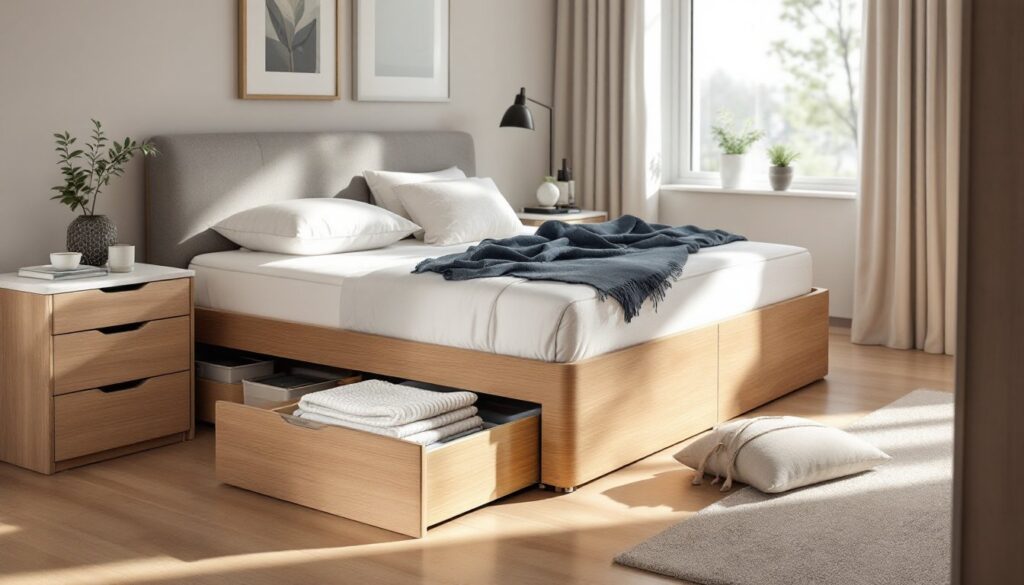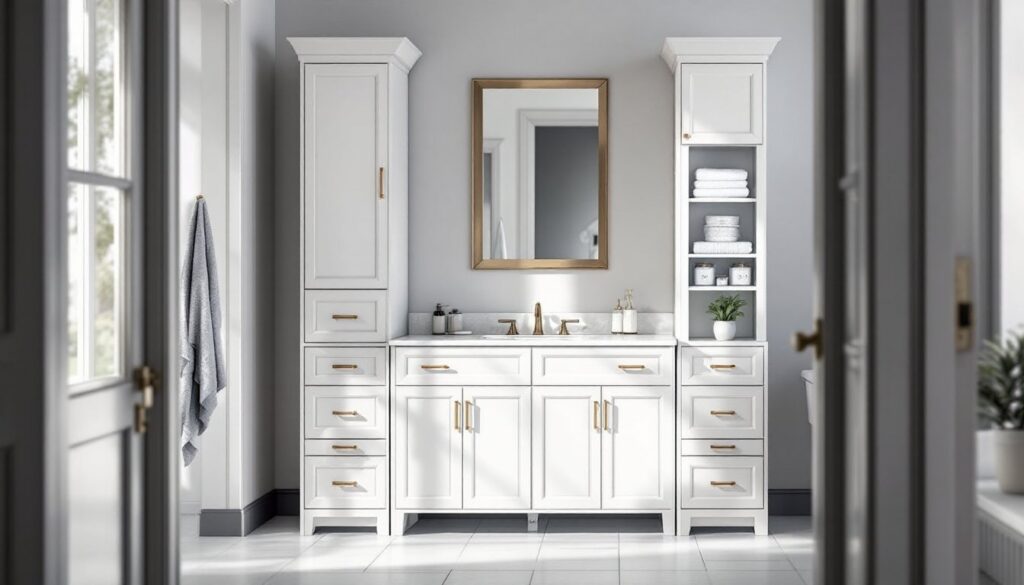


Home ideas vs. home plans, most people use these terms interchangeably. They shouldn’t. The difference between the two can determine whether a renovation project stays on budget or spirals into chaos. Home ideas represent the creative vision: Pinterest boards, magazine clippings, and mental images of dream kitchens. Home plans, on the other hand, translate those visions into actionable blueprints with measurements, materials, and timelines. Understanding this distinction helps homeowners move from daydreaming to doing. This article breaks down what separates home ideas from home plans, when to prioritize each, and how to bridge the gap between inspiration and execution.
Table of Contents
ToggleKey Takeaways
- Home ideas represent creative inspiration (Pinterest boards, magazine clippings), while home plans are actionable blueprints with measurements, materials, and timelines.
- Understanding home ideas vs. home plans helps homeowners avoid budget overruns and project chaos by knowing when to dream and when to execute.
- Stay in the ideas phase until your budget is clear, household members agree on priorities, and you can describe your project in specific terms.
- Move to home plans when you have a clear vision, established budget, and timeline pressure—good architects and contractors book months in advance.
- Consult professionals early to identify which home ideas work within your structure and budget before committing to costly architectural drawings.
- Build a 15-20% contingency into your budget, as home ideas often exceed financial reality once translated into detailed plans.
What Are Home Ideas?
Home ideas are the starting point of any residential project. They represent the “what if” phase, the creative concepts that spark excitement before any practical considerations enter the picture.
These ideas come from many sources. Homeowners might scroll through Instagram, flip through architectural magazines, or visit open houses in their neighborhood. A friend’s recently remodeled bathroom might inspire thoughts of heated floors. A vacation rental could plant seeds for an open-concept living space.
Home ideas tend to be:
- Visual and emotional – They focus on how spaces look and feel rather than how they function
- Flexible and changing – Today’s farmhouse obsession might become tomorrow’s modern minimalism
- Budget-agnostic – Cost rarely factors into the initial idea phase
- Disconnected from structural reality – That wall someone wants to remove? It might be load-bearing
The home ideas phase serves an important purpose. It allows homeowners to explore preferences without commitment. Someone might discover they gravitate toward natural materials, prefer neutral color palettes, or value outdoor living spaces. These patterns inform later decisions.
But, home ideas alone don’t build houses or complete renovations. They need translation into something more concrete.
What Are Home Plans?
Home plans convert inspiration into instruction. They’re the technical documents that contractors, architects, and building departments require to make projects happen.
A home plan typically includes:
- Floor plans with exact dimensions and room layouts
- Elevation drawings showing exterior appearances from multiple angles
- Electrical and plumbing schematics indicating where systems run
- Material specifications detailing everything from lumber grades to tile selections
- Cost estimates breaking down labor and materials
- Construction timelines with project phases and milestones
Home plans answer practical questions. How will the roof drain? Where will electrical outlets go? What size beam replaces a removed wall? These details might seem tedious compared to picking paint colors, but they prevent expensive mistakes.
Professional home plans often require input from architects, structural engineers, or certified designers. Many municipalities won’t issue building permits without stamped drawings from licensed professionals. This requirement exists because home plans must account for building codes, zoning regulations, and safety standards.
The home plans phase demands precision. A dimension error of even a few inches can result in cabinets that don’t fit or doors that won’t open properly. This is where home ideas meet reality, and sometimes, reality pushes back.
Key Differences Between Home Ideas and Home Plans
Understanding home ideas vs. home plans becomes clearer when examining their core differences side by side.
Purpose
Home ideas inspire. They answer the question, “What do I want my home to feel like?” Home plans execute. They answer, “How do I make this happen within physical, legal, and financial constraints?”
Level of Detail
Home ideas operate at a high level. Someone might want a “bright, airy kitchen.” A home plan specifies two 36×48-inch windows on the south wall, recessed LED lighting on three circuits, and white quartz countertops with 1.5-inch edges.
Flexibility
Home ideas change freely. Swapping a vision board image costs nothing. Home plans become increasingly rigid as projects progress. Changing the kitchen layout after framing begins means tearing out work and paying twice.
Professional Involvement
Anyone can generate home ideas. Creating home plans often requires licensed professionals, architects, engineers, interior designers, or contractors with design-build capabilities.
Cost Implications
Home ideas carry no direct costs (though premium ideas often correlate with premium budgets). Home plans themselves cost money. Architectural drawings might run $2,000 to $10,000+ depending on project scope. Engineering assessments add more.
Legal Standing
Home ideas have no legal weight. Home plans become contractual documents. They’re submitted for permits, attached to contractor agreements, and referenced in disputes. When a homeowner claims the tile pattern looks wrong, the home plan determines who’s right.
When to Focus on Ideas vs. When to Commit to Plans
The transition from home ideas to home plans doesn’t happen instantly, and it shouldn’t. Both phases deserve appropriate time and attention.
Stay in the Ideas Phase When:
- The project timeline extends beyond 12 months
- Budget parameters remain unclear
- Multiple household members haven’t aligned on priorities
- The homeowner hasn’t lived in the space long enough to understand how they use it
- Market conditions or personal circumstances might change
Rushing from home ideas to home plans wastes money. Paying an architect to draw plans for a concept that changes three times costs far more than spending extra months refining the vision.
Move to Home Plans When:
- A clear vision has emerged from the ideas phase
- Budget ranges are established
- Timeline pressure exists (selling, new family members, lease endings)
- Professionals are available, good architects and contractors book months ahead
- Permit and approval processes require lead time
The sweet spot involves spending enough time on home ideas to feel confident about direction, then committing to home plans decisively. Lingering indefinitely in the ideas phase leads to analysis paralysis. Rushing into plans leads to costly revisions.
One practical benchmark: when someone can describe their project in specific terms without hesitation, “We’re adding 400 square feet to the back of the house with two bedrooms and a bathroom, modern farmhouse style, $150,000 budget”, they’re ready for home plans.
How to Turn Your Home Ideas Into Actionable Plans
Bridging home ideas and home plans requires intentional steps. Here’s how homeowners can make the transition smoothly.
1. Organize and Prioritize Ideas
Collect all home ideas in one place. Create folders, digital boards, or physical binders. Then rank them. Which elements are non-negotiable? Which would be nice to have? Which conflict with each other? This exercise forces clarity.
2. Establish a Realistic Budget
Home ideas often exceed home budgets. Research costs for similar projects in the local market. Contractors, real estate agents, and online cost estimators provide ballpark figures. Build in a 15-20% contingency for surprises.
3. Consult Professionals Early
Schedule consultations with architects or design-build contractors before finalizing home ideas. They’ll identify which concepts work within the existing structure and budget. A quick conversation might reveal that the dream addition requires foundation work that doubles the cost.
4. Request Preliminary Drawings
Before committing to full home plans, ask for concept sketches or schematic designs. These cost less than construction documents but show whether the vision translates spatially. It’s easier to revise a sketch than a permitted blueprint.
5. Address Permitting Requirements
Contact the local building department to understand what permits the project needs. Some home ideas, like finishing a basement or adding a bathroom, trigger code requirements that affect planning. Know these constraints before finalizing home plans.
6. Create a Decision Timeline
Home plans require hundreds of decisions. Material selections, fixture choices, color schemes, each needs answers. Build a timeline that staggers these decisions rather than cramming them into a few overwhelming weeks.
The goal isn’t to abandon home ideas when plans begin. It’s to translate the best of those ideas into documents that builders can execute. The most successful projects maintain the spirit of original home ideas while respecting practical limitations.