

Top space saving ideas can transform even the smallest home into a functional, comfortable living area. Many people struggle with limited square footage, but smart design choices make a real difference. Whether someone lives in a studio apartment or simply wants to make better use of their rooms, practical solutions exist for every budget and style.
This guide covers proven strategies for maximizing living space. From furniture that serves multiple purposes to clever storage systems, these ideas help homeowners reclaim valuable floor area. The following sections explore multifunctional furniture, vertical storage, decluttering methods, and design techniques that make rooms feel larger and work harder.
Table of Contents
ToggleKey Takeaways
- Top space saving ideas like multifunctional furniture (sofa beds, Murphy beds, storage ottomans) eliminate the need for multiple pieces and free up valuable floor area.
- Vertical storage strategies—including floor-to-ceiling shelving, wall-mounted systems, and over-door organizers—maximize unused wall space without crowding rooms.
- The one-in-one-out rule and regular decluttering sessions prevent accumulation and keep organization systems effective.
- Design techniques such as light colors, mirrors, and appropriately scaled furniture make small rooms feel larger and more functional.
- Hidden storage solutions like beds with drawers, window seats, and under-stair cabinets capture otherwise wasted space in any home.
Multifunctional Furniture Solutions
Multifunctional furniture represents one of the most effective top space saving approaches for modern homes. These pieces perform double or triple duty, eliminating the need for separate items that crowd a room.
Sofa Beds and Futons
A sofa bed serves as seating during the day and a guest bed at night. This single piece replaces two items and frees up an entire room that might otherwise become a dedicated guest bedroom. Modern sofa beds have improved dramatically, many now feature memory foam mattresses and sleek designs that look nothing like the clunky convertibles of the past.
Storage Ottomans and Coffee Tables
Ottomans with hidden storage compartments hold blankets, books, or toys while providing extra seating. Coffee tables with built-in shelves or drawers keep living room essentials organized and accessible. Some designs even include lift-top surfaces that convert into work desks or dining tables.
Murphy Beds and Wall Beds
Murphy beds fold up into the wall when not in use, instantly reclaiming floor space. They work especially well in studio apartments or multipurpose rooms. Many modern versions include attached shelving or desks, making them true space saving powerhouses.
Expandable Dining Tables
Drop-leaf and extendable dining tables adjust to accommodate different needs. A small table for daily use expands to seat six or more guests during gatherings. This flexibility means homeowners don’t need to dedicate permanent space to a large dining setup they rarely use.
Vertical Storage Strategies
Vertical storage takes advantage of often-ignored wall space and room height. This top space saving strategy keeps floors clear while adding significant storage capacity.
Floor-to-Ceiling Shelving
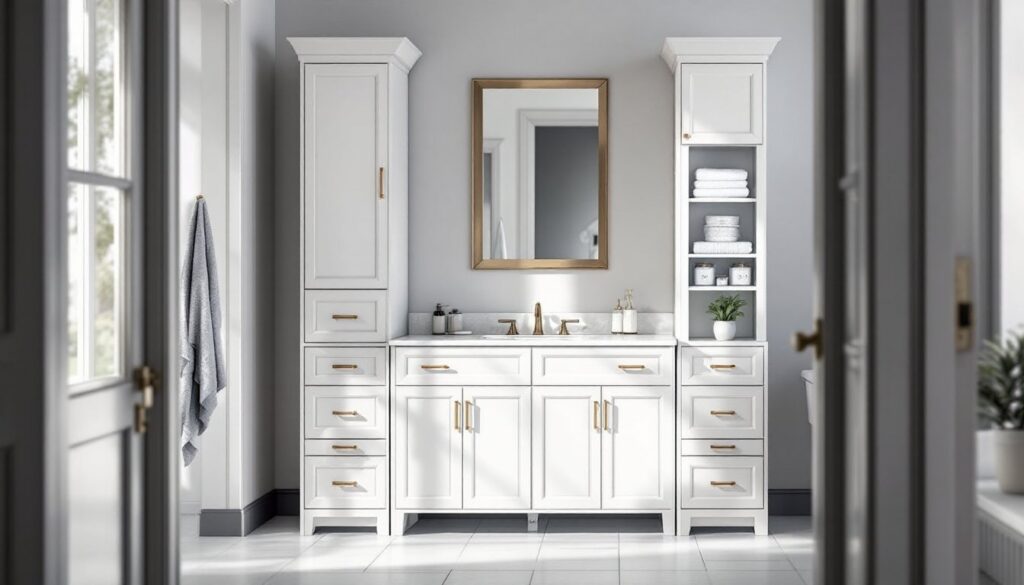
Tall bookshelves and storage units use wall height that typically goes to waste. A single floor-to-ceiling unit can hold what might otherwise require multiple pieces of furniture spread across a room. Open shelving creates visual interest while closed cabinets hide clutter.
Wall-Mounted Systems
Wall-mounted hooks, racks, and organizers work in every room. In kitchens, magnetic knife strips and hanging pot racks free up drawer and cabinet space. In bedrooms, wall-mounted nightstands eliminate the need for bulky furniture beside the bed. Entryways benefit from coat hooks and key holders that prevent piles from forming on surfaces.
Over-Door Organizers
Doors offer hidden storage potential. Over-door shoe racks, pantry organizers, and bathroom caddies add storage without using any floor space whatsoever. They install in minutes and can hold dozens of items.
Floating Shelves
Floating shelves provide display and storage space while maintaining an open, airy feel. They work well above desks, in bathrooms, and in any tight corner where freestanding furniture won’t fit. Staggered arrangements add visual depth to walls.
Decluttering and Organization Tips
Even the best top space saving furniture can’t help a home overflowing with unnecessary items. Decluttering creates immediate improvements and makes organization systems more effective.
The One-In-One-Out Rule
This simple practice prevents accumulation. Every time something new enters the home, something similar leaves. A new shirt means an old shirt goes to donation. This rule maintains equilibrium and forces thoughtful purchasing decisions.
Category-Based Sorting
Organization works best when similar items stay together. All cleaning supplies belong in one location. All craft materials live in a designated spot. This approach eliminates duplicate purchases (who hasn’t bought scissors because they couldn’t find the three pairs already owned?) and makes finding things faster.
Storage Containers and Labels
Clear containers let people see contents at a glance. Labels remove guesswork and help household members return items to proper locations. Uniform containers stack efficiently and create visual order that makes spaces feel calmer.
Regular Purging Sessions
Scheduled decluttering prevents buildup. Seasonal reviews work well, winter clothes get evaluated before storage, kitchen gadgets get assessed after the holidays. These sessions catch items that no longer serve a purpose before they take permanent residence.
Small Room Design Techniques
Design choices influence how large a room feels. These top space saving techniques use visual tricks and smart layouts to make small areas appear and function better.
Light Colors and Mirrors
Light paint colors reflect more light and make walls seem to recede. White, cream, and soft pastels create an open atmosphere. Mirrors amplify this effect by bouncing light around and visually doubling the perceived space. A large mirror opposite a window can transform a dark room.
Furniture Scale and Placement
Oversized furniture overwhelms small rooms. Appropriately scaled pieces maintain proportion and leave adequate walking paths. Placing furniture away from walls, even by just a few inches, can paradoxically make rooms feel larger by creating depth.
Hidden Storage Integration
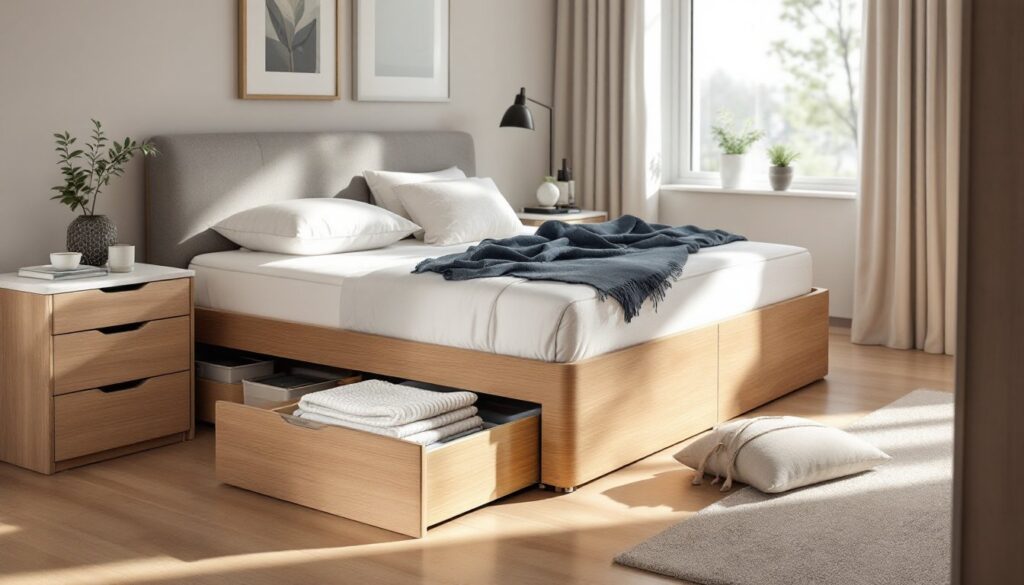
Beds with storage drawers underneath use otherwise wasted space. Window seats with lift-up tops create seating and storage simultaneously. Built-in solutions like under-stair cabinets capture awkward areas that typically go unused.
Visual Continuity
Consistent flooring throughout connected spaces makes areas feel larger. Matching furniture heights creates horizontal lines that draw the eye across rooms. Limiting color palettes prevents the choppy, crowded feeling that too many colors create.