

Space saving is no longer a luxury, it’s a necessity. Whether someone lives in a studio apartment or a family home with growing needs, making the most of available square footage matters. The average American home has shrunk by nearly 10% since 2015, yet people still accumulate just as much stuff. That’s a problem.
The good news? Smart space saving strategies can transform cramped quarters into functional, breathable living areas. This guide covers practical solutions that work, from decluttering basics to vertical storage tricks. No gimmicks, just proven ideas that help homeowners reclaim every inch.
Table of Contents
ToggleKey Takeaways
- Decluttering is the foundation of effective space saving—most households can reduce belongings by 20-30% using the one-year rule and box method.
- Multifunctional furniture like Murphy beds, sofa beds, and ottomans with storage maximizes function while minimizing floor space.
- Vertical storage strategies such as floating shelves, tall bookcases, and over-door organizers turn underused wall space into valuable storage.
- Apply room-specific space saving solutions: magnetic strips in kitchens, tiered caddies in bathrooms, and under-bed containers in bedrooms.
- Choose furniture with exposed legs and proper scale—apartment-sized pieces prevent rooms from feeling cramped while maintaining functionality.
Decluttering as the Foundation of Space Saving
Before buying a single organizer or rearranging furniture, decluttering comes first. It’s the foundation of any effective space saving plan. Why? Because no storage system can compensate for owning too much.
Start with the “one-year rule.” If an item hasn’t been used in 12 months, it probably won’t be missed. Donate, sell, or toss it. This approach eliminates emotional decision-making and speeds up the process.
The room-by-room method works better than tackling everything at once. Pick one space, finish it completely, then move on. Trying to declutter an entire home in a weekend usually leads to burnout and half-finished projects.
A few practical decluttering tips:
- Use the box method: Place four boxes in each room labeled “keep,” “donate,” “trash,” and “relocate.”
- Digitize paper: Scan important documents and recycle the physical copies. Most people keep far more paper than necessary.
- Apply the 20/20 rule: If something can be replaced for under $20 in under 20 minutes, let it go.
Decluttering creates immediate space saving results. Most households can reduce their belongings by 20-30% without missing a thing.
Smart Furniture Solutions for Small Spaces
Furniture choices make or break a space saving strategy. The right pieces serve multiple purposes. The wrong ones just eat up floor space.
Multifunctional furniture deserves priority consideration. A sofa bed handles seating and guest accommodations. An ottoman with internal storage hides blankets, toys, or magazines. A dining table with drop leaves expands for dinner parties and shrinks for daily use.
Nesting tables offer another smart solution. They stack together when not needed and separate when guests arrive. Same function, fraction of the footprint.
For bedrooms, consider these space saving furniture options:
- Murphy beds: They fold into the wall and free up entire rooms during daytime hours.
- Loft beds: Raising the sleeping area creates usable space underneath for desks or seating.
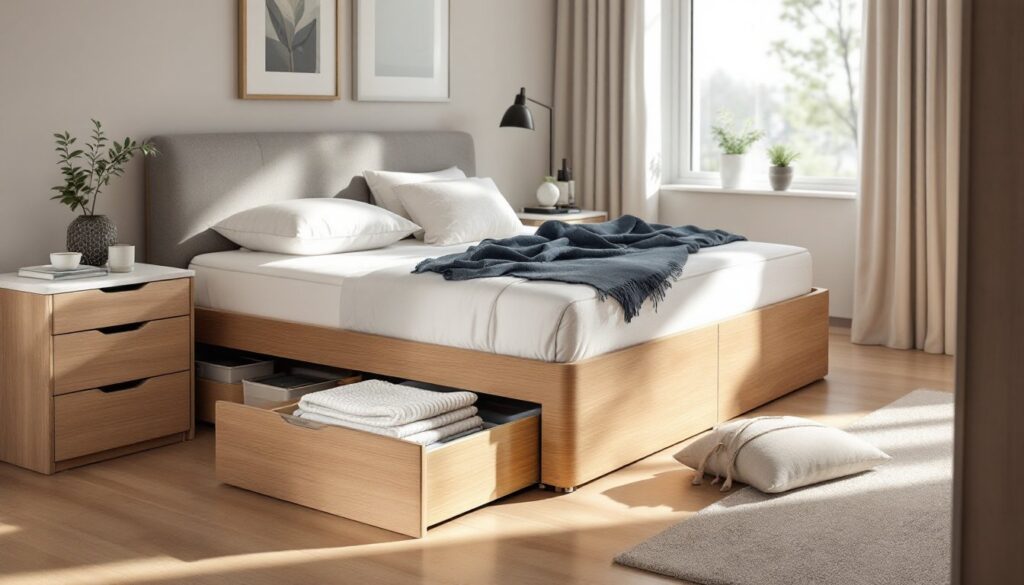
- Beds with built-in drawers: They eliminate the need for separate dressers.
Leg style matters too. Furniture with exposed legs creates visual openness and makes rooms feel larger. Bulky, skirted pieces do the opposite.
Scale is critical. A massive sectional in a small living room doesn’t just take up space, it makes the whole room feel cramped. Measure twice, buy once. Many retailers now offer apartment-sized versions of popular furniture lines specifically designed for space saving needs.
Vertical Storage Strategies That Work
Floor space runs out fast. Wall space? That’s usually underused. Vertical storage represents one of the most effective space saving techniques available.
Floating shelves add storage without consuming floor area. They work in living rooms, bathrooms, kitchens, and bedrooms. Install them at varying heights to create visual interest while maximizing storage capacity.
Tall, narrow bookcases beat short, wide ones for space saving purposes. A 72-inch bookcase holds more than two 36-inch units and takes up less wall real estate.
Don’t overlook these vertical opportunities:
- Over-door organizers: They turn dead space into storage for shoes, accessories, cleaning supplies, or pantry items.
- Pegboard systems: Originally popular in garages, pegboards now appear in kitchens, craft rooms, and home offices. They’re customizable and easy to reconfigure.
- Ceiling-mounted storage: Overhead racks in garages and basements store seasonal items out of the way.
- Wall-mounted hooks: Simple and cheap, hooks handle everything from coats to pots and pans.
The area above doors and windows often goes unused. Custom shelving in these spots creates space saving storage for books, baskets, or decorative items.
Closets benefit from vertical thinking too. Double-hang rods instantly double hanging capacity. Shelf dividers keep stacks neat and prevent wasted vertical space between items.
Room-by-Room Space Saving Tips
Different rooms present different challenges. Here’s how to apply space saving principles throughout the home.
Kitchen
Kitchens pack the most function into the smallest area. Magnetic knife strips free up drawer space. Pot racks hang cookware overhead. Lazy Susans make corner cabinets accessible. Inside cabinet doors can hold cutting boards, lids, or cleaning supplies.
Pull-out drawers retrofit into existing cabinets and make deep spaces usable. Without them, items get lost in the back and forgotten.
Bathroom
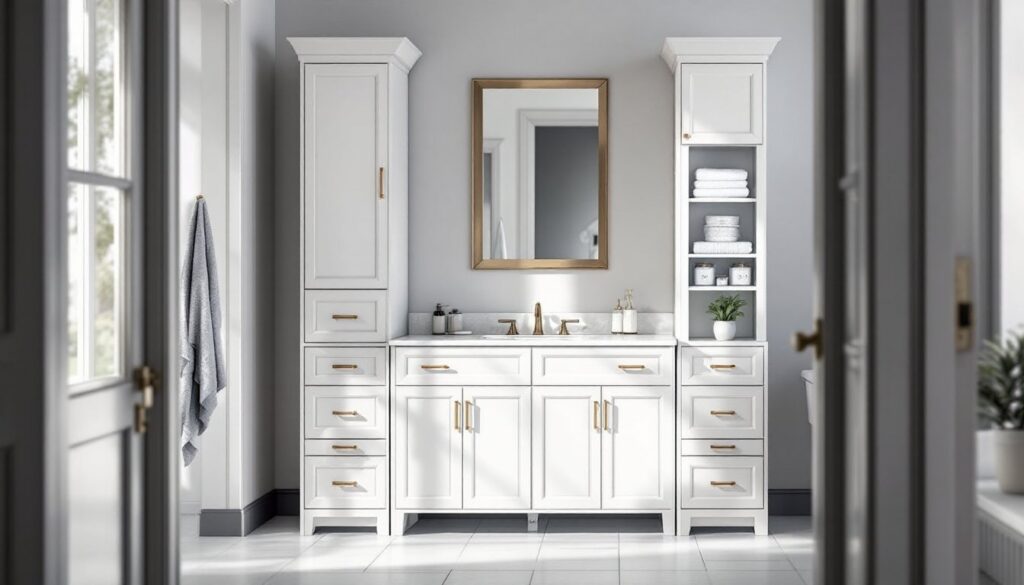
Bathrooms demand creative space saving solutions. A medicine cabinet with mirror provides hidden storage. Tiered shower caddies use vertical shower space. Towel bars mounted on the back of doors keep towels accessible without taking wall space.
Under-sink organizers transform the cabinet beneath the vanity. Stackable bins and sliding drawers make plumbing pipes less of an obstacle.
Bedroom
Under-bed storage containers hold off-season clothing, extra bedding, or shoes. Headboards with built-in shelving replace nightstands. Closet organizer systems double or triple usable space inside standard closets.
Living Room
Console tables with storage hide gaming equipment and media accessories. Built-in shelving around windows or fireplaces adds storage without intruding into the room. Baskets and bins keep items accessible but contained.
Home Office
Wall-mounted desks fold down when needed and disappear when not. File cabinets that double as side tables serve two purposes. Vertical file organizers beat horizontal stacking for paper management.