

Home ideas can turn an ordinary house into a space that feels fresh, functional, and personal. Whether someone wants to refresh a single room or reimagine an entire floor plan, small changes often make the biggest difference. The best part? Many transformations don’t require a massive budget or professional help. From clever storage solutions to simple décor swaps, homeowners have more options than ever to create spaces they love. This guide covers practical home ideas that work for every room, budget, and square footage.
Table of Contents
ToggleKey Takeaways
- Simple home ideas like updating light fixtures, hardware, and paint can transform any room without breaking the budget.
- Floating furniture toward the center of a room and layering light sources creates better flow and ambiance in living spaces.
- Budget-friendly upgrades such as peel-and-stick wallpaper, mirror placement, and thrift store finds deliver high impact for minimal cost.
- Small spaces benefit from multi-purpose furniture, vertical storage, and light color palettes to maximize every square foot.
- Incorporating indoor plants and natural materials like wood and rattan brings warmth and connects your home to nature.
- Timing major purchases around holiday sales and shopping scratch-and-dent sections can save significantly on larger home items.
Simple Updates for Every Room
Most rooms benefit from a few targeted updates rather than a complete overhaul. The key is identifying what isn’t working and addressing it directly. A dated light fixture, worn-out hardware, or bland wall color can drag down an entire space. Fixing these issues costs relatively little but delivers noticeable results.
Living Room Refresh Ideas
The living room sets the tone for a home. Start with the seating arrangement, many people push furniture against walls out of habit, but floating a sofa toward the center creates better flow and conversation zones. Swap out throw pillows and blankets seasonally to keep things interesting without spending much.
Lighting matters more than most realize. Layer different light sources: overhead fixtures for general illumination, table lamps for tasks, and accent lights to highlight artwork or architectural features. Dimmer switches cost under $25 and instantly add ambiance.
Consider repainting one accent wall. Dark colors like navy or forest green create depth, while warm neutrals make spaces feel larger. One gallon of quality paint runs about $40-50 and covers roughly 400 square feet.
Kitchen and Dining Improvements
Kitchens don’t need gut renovations to feel new. Cabinet hardware offers an easy win, replacing dated brass handles with matte black or brushed nickel pulls modernizes the entire room. This project takes an afternoon and costs $50-200 depending on cabinet count.
Open shelving has gained popularity for good reason. Removing a few upper cabinet doors (or replacing them with glass fronts) opens up visual space and displays favorite dishes. Just commit to keeping those shelves tidy.
In dining areas, the table centerpiece and lighting fixture do most of the heavy lifting. A statement pendant light over the table draws the eye and defines the eating space. Fresh flowers, a bowl of fruit, or seasonal greenery on the table adds life without clutter.
Budget-Friendly Home Upgrades
Great home ideas don’t require deep pockets. Paint remains the most cost-effective transformation tool available. A single weekend and $100-200 in supplies can completely change how a room feels.
Thrift stores and estate sales offer furniture gems at fraction of retail prices. Solid wood pieces from decades past often surpass modern flat-pack quality. A coat of paint or new upholstery gives them fresh life.
DIY projects stretch budgets further. Floating shelves, board-and-batten accent walls, and simple built-ins are achievable for beginners with basic tools. YouTube tutorials walk through each step, and mistakes become learning opportunities.
Here are budget-conscious home ideas that deliver impact:
- Peel-and-stick wallpaper: Renter-friendly and removable, priced at $25-40 per roll
- Mirror placement: Reflects light and makes rooms appear larger
- New switch plates and outlet covers: Small detail, big polish (under $5 each)
- Rearranging existing furniture: Free and often surprisingly effective
- Adding crown molding: DIY-friendly trim that elevates any room
Timing purchases helps too. Holiday weekends, end-of-season sales, and scratch-and-dent sections at furniture stores offer significant savings. Patience pays off when shopping for larger items.
Maximizing Small Spaces
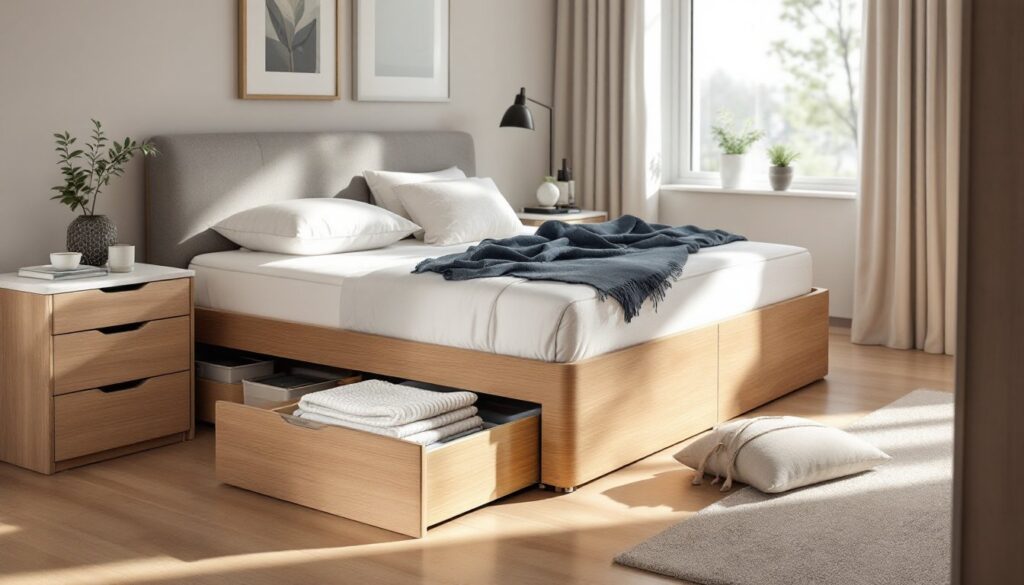
Small spaces demand smart home ideas. Every inch counts, so furniture should serve multiple purposes whenever possible. Ottoman storage, beds with drawers underneath, and nesting tables provide flexibility without eating up floor space.
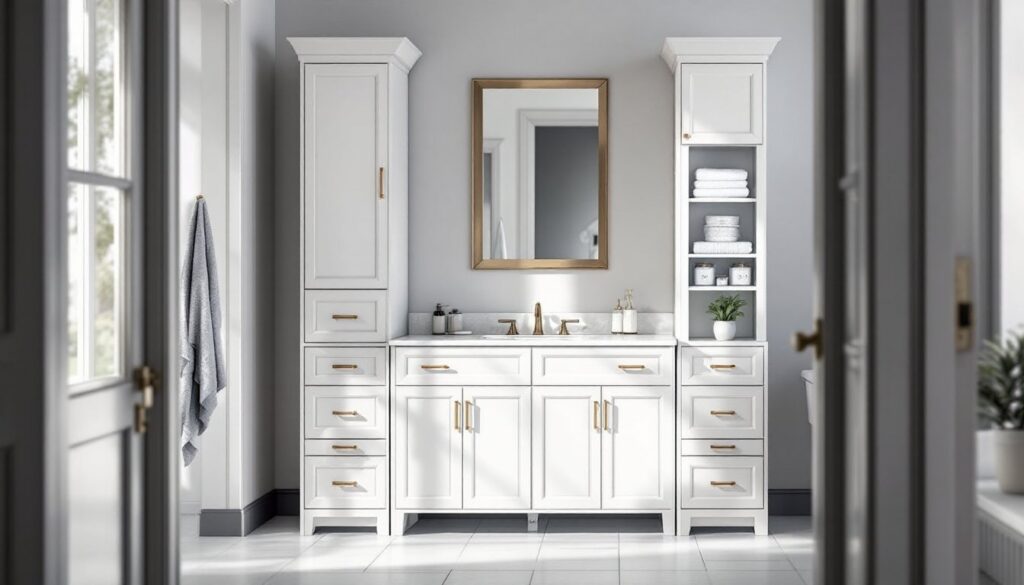
Vertical storage transforms cramped rooms. Tall bookcases draw the eye upward and use wall space that would otherwise sit empty. Hooks, pegboards, and wall-mounted organizers keep items accessible without cluttering surfaces.
Color choices affect perceived size. Light, cool colors recede and make walls feel farther away. Painting trim and walls the same shade eliminates visual breaks that can chop up small rooms. Mirrors strategically placed opposite windows bounce natural light deeper into spaces.
Furniture scale matters in tight quarters. That oversized sectional might look great in the showroom but will overwhelm a 12×12 living room. Measure twice, buy once. Apartment-sized sofas and narrow-profile pieces exist specifically for smaller footprints.
Clutter control becomes essential in compact homes. The one-in-one-out rule prevents accumulation. Regular purging of items that no longer serve a purpose keeps spaces breathable. Closed storage hides visual noise while open shelving works only when maintained.
Bringing the Outdoors In
Indoor plants rank among the most popular home ideas for good reason. They purify air, add color, and create visual interest. Low-maintenance options like pothos, snake plants, and ZZ plants thrive even with occasional neglect.
Natural materials extend the outdoor feeling. Wood furniture, rattan accents, jute rugs, and stone accessories connect interior spaces to nature. These textures add warmth that synthetic materials can’t replicate.
Maximizing natural light supports this connection. Keep window treatments minimal or choose sheer fabrics that filter rather than block sunlight. Clean windows regularly, dirt buildup reduces light transmission more than people realize.
Biophilic design principles guide many current home ideas. This approach incorporates natural elements, organic shapes, and nature-inspired colors throughout a space. Even artwork featuring landscapes or botanicals contributes to this effect.
Outdoor living spaces deserve attention too. A balcony or patio functions as an extra room during fair weather. Weather-resistant furniture, outdoor rugs, and string lights create inviting spaces for relaxation and entertaining.