

Space saving tools help people transform cramped rooms into functional, organized areas. Whether someone lives in a studio apartment or simply wants to declutter a crowded garage, the right tools make all the difference. Modern homes often lack storage, and square footage comes at a premium. That’s why smart solutions for maximizing space have become essential rather than optional.
This guide covers the best space saving tools available today. Readers will learn which products work best for different rooms, how to evaluate their options, and what features matter most. From multi-functional furniture to compact organizers, these tools offer practical ways to reclaim valuable floor space and create a more livable environment.
Table of Contents
ToggleKey Takeaways
- Space saving tools help transform small, cluttered rooms into organized, functional living areas without sacrificing belongings.
- Multi-functional furniture like Murphy beds, sofa beds, and nesting tables maximizes floor space by serving multiple purposes.
- Vertical storage solutions such as floating shelves and wall-mounted organizers turn unused wall space into valuable storage.
- Compact tools like vacuum storage bags, drawer dividers, and over-the-door organizers tackle clutter in tight spaces affordably.
- Measure your space and assess usage frequency before purchasing to ensure each space saving tool fits your specific needs.
- Investing in quality space saving tools can eliminate costly storage unit rentals and reduce household stress caused by clutter.
Why Space Efficiency Matters in Modern Living
Urban living has changed dramatically over the past two decades. The average new apartment in the United States measures around 887 square feet, down significantly from previous generations. Rising housing costs push more people into smaller spaces. This shift makes space saving tools more relevant than ever.
Clutter creates stress. Studies show that disorganized environments increase cortisol levels and reduce focus. People who live in cramped, messy spaces report lower satisfaction with their homes. Space saving tools directly address this problem by creating order from chaos.
There’s also a financial angle. Renting extra storage units costs between $50 and $300 monthly, depending on location. Smart space saving tools eliminate this expense by maximizing what homeowners already have. A $100 investment in vertical storage can save thousands over time.
Environmental consciousness plays a role too. Smaller, well-organized spaces require less energy to heat and cool. People who use space saving tools often buy fewer unnecessary items because everything has a designated place. This mindset reduces waste and promotes intentional consumption.
Minimalism has gained popularity, but most people don’t want to throw everything away. They want their belongings organized and accessible. Space saving tools bridge this gap. They allow people to keep what matters while eliminating visual clutter. The result is a home that feels larger, calmer, and more functional.
Essential Space Saving Tools for Every Home
The market offers hundreds of space saving tools. Some deliver real value. Others collect dust in closets. Here’s what actually works.
Multi-Functional Furniture and Storage Solutions
Furniture that serves multiple purposes represents one of the smartest investments for small spaces. A sofa bed provides seating by day and sleeping space at night. Ottoman storage cubes work as footrests, extra seats, and hidden storage simultaneously. These pieces eliminate the need for separate items that consume floor space.
Murphy beds have evolved considerably. Modern versions fold into wall cabinets with built-in shelving or desks. Some models include sofas that flip down when the bed folds up. A single wall unit can replace a bed frame, dresser, and desk.
Nesting tables offer flexibility that fixed furniture cannot match. Three tables stack into one footprint when not needed. Pull them apart for entertaining, then tuck them back together afterward. The same principle applies to nesting chairs and stackable stools.
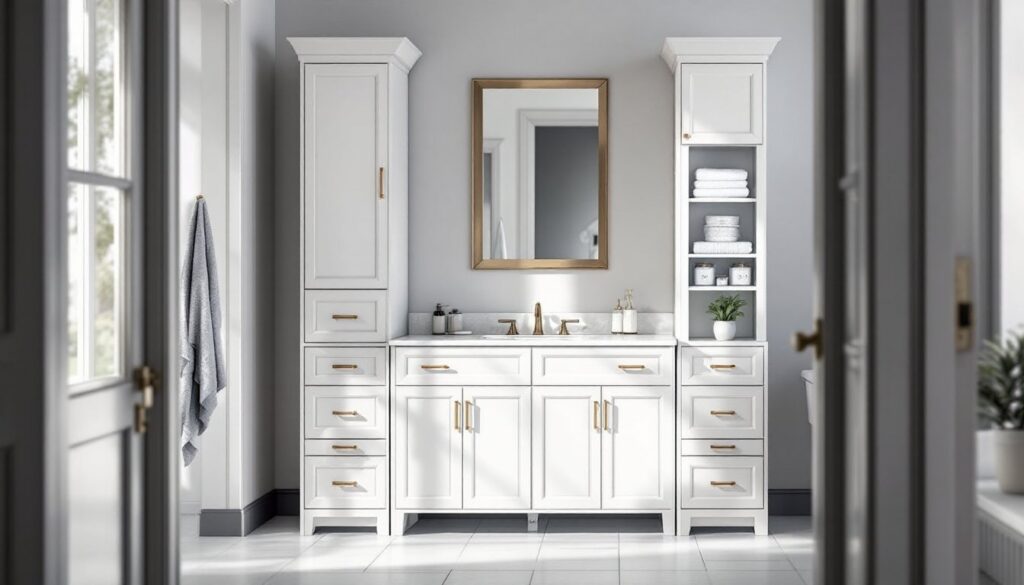
Vertical storage systems turn wasted wall space into usable area. Floating shelves, pegboards, and wall-mounted cabinets keep items off the floor and countertops. In kitchens, magnetic knife strips and hanging pot racks free up drawer and cabinet space. In garages, overhead ceiling racks store seasonal items out of the way.
Compact Organizing Tools and Accessories
Smaller space saving tools handle the details that furniture cannot address. Drawer dividers transform messy junk drawers into organized compartments. Expandable versions adjust to fit any drawer size.
Vacuum storage bags compress bulky items like comforters, pillows, and winter coats to a fraction of their original size. A closet that once held two comforters can suddenly store eight. These bags also protect items from dust, moisture, and insects.
Over-the-door organizers add storage to unused door surfaces. They work in bathrooms for toiletries, in bedrooms for shoes, and in pantries for spices and snacks. Some versions feature clear pockets for easy visibility.
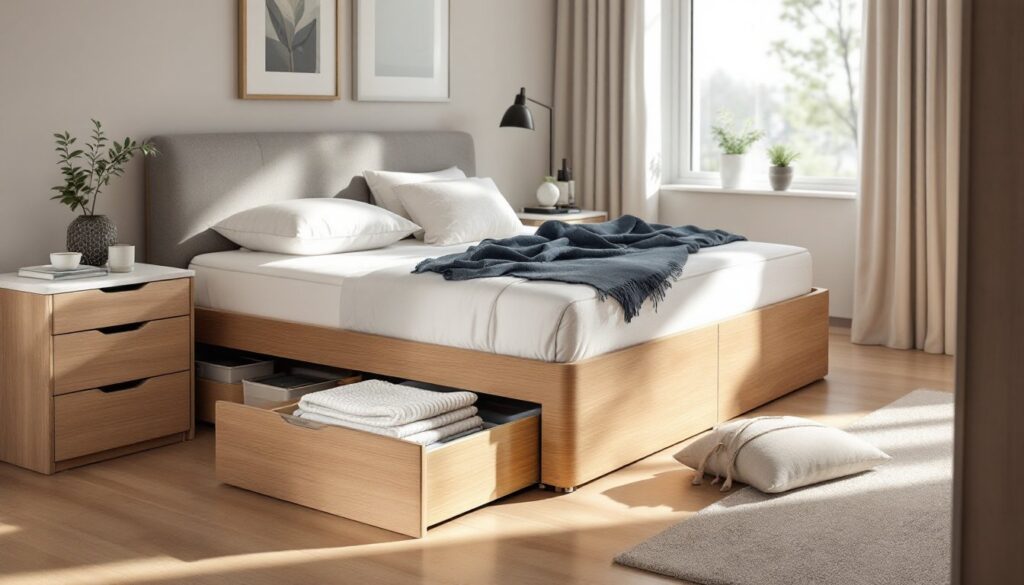
Under-bed storage containers use the six to twelve inches of space beneath most bed frames. Rolling bins make access easy. Low-profile options fit under beds with minimal clearance.
Cable management tools like cord clips and cable boxes eliminate tangled messes behind desks and entertainment centers. Velcro straps bundle cables together. Cord covers hide wires along baseboards. These small space saving tools create a cleaner visual environment.
How to Choose the Right Space Saving Tools for Your Needs
Not every space saving tool fits every situation. The selection process requires honest assessment of specific needs, available space, and budget.
Start by identifying problem areas. Walk through each room and note where clutter accumulates. Kitchen counters covered with appliances? Closets overflowing with clothes? Garage floor buried under boxes? Each problem points toward specific space saving tools.
Measure before purchasing. This step seems obvious but gets skipped constantly. A storage ottoman that looked perfect online might not fit through the doorway. Floating shelves need appropriate wall studs. Under-bed containers require clearance measurements. Taking five minutes with a tape measure prevents expensive mistakes.
Consider frequency of use. Items accessed daily need space saving tools that provide quick retrieval. Vacuum bags work great for seasonal items but frustrate anyone needing daily access. Match the solution to the usage pattern.
Quality matters more than quantity. One well-made piece of multi-functional furniture outperforms five cheap organizers. Look for solid construction, smooth mechanisms, and durable materials. Reviews from verified purchasers reveal real-world performance that product descriptions often hide.
Renters face different constraints than homeowners. Space saving tools that require drilling or permanent installation may violate lease agreements. Freestanding options, tension rods, and adhesive solutions work better for temporary situations.
Budget planning helps prioritize purchases. Expensive items like Murphy beds deliver significant impact but require substantial investment. Start with affordable space saving tools like drawer dividers and over-the-door organizers. These quick wins build momentum. Add larger pieces as budget allows.
Aesthetics deserve consideration too. The most functional space saving tools fail if they clash with existing decor. Many manufacturers now offer products in various colors and finishes. A cohesive look makes spaces feel intentional rather than cluttered with mismatched organizational products.