

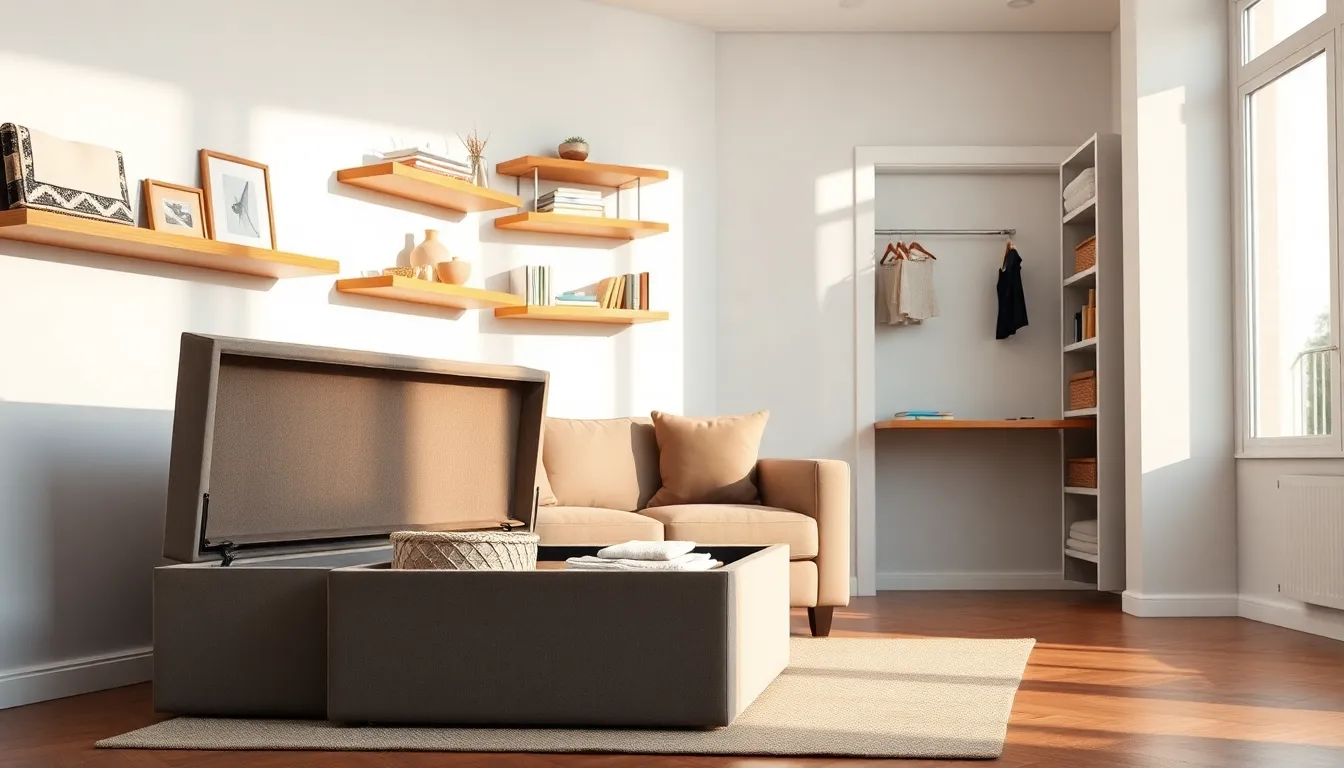
Space saving tips can transform a cramped home into a functional, breathable living area. Small apartments, tiny bedrooms, and cluttered kitchens don’t have to feel suffocating. The right strategies help homeowners and renters reclaim square footage they didn’t know they had.
This guide covers practical space saving tips that work in any home. From vertical storage solutions to multi-functional furniture, these methods deliver real results. Readers will learn how to declutter effectively, discover hidden storage opportunities, and apply room-by-room strategies that maximize every inch.
Table of Contents
ToggleKey Takeaways
- Declutter first before organizing—most homes have enough storage space but too much stuff.
- Vertical storage solutions like floating shelves, pegboards, and over-the-door organizers maximize wall space without taking up floor area.
- Multi-functional furniture such as storage ottomans and beds with built-in drawers helps small spaces work harder.
- Look for hidden storage opportunities under stairs, in corner cabinets, and in gaps between appliances.
- Apply the one-in-one-out rule to prevent future clutter and maintain your space saving progress.
- Use room-specific space saving tips like magnetic strips in kitchens, slim hangers in closets, and wall-mounted consoles in living rooms.
Declutter Before You Organize
Space saving tips won’t help a home filled with unnecessary items. Decluttering comes first. Many people skip this step and jump straight to buying storage containers. That approach just hides the problem.
Start with one room or even one drawer. Sort items into three categories: keep, donate, and discard. Be honest during this process. If something hasn’t been used in a year, it probably won’t be used next year either.
The one-in-one-out rule prevents future clutter. For every new item that enters the home, one item leaves. This simple habit maintains the progress made during initial decluttering.
Seasonal items deserve special attention. Winter coats in July and beach gear in December take up valuable everyday storage space. These items should move to harder-to-reach areas like high closet shelves or under-bed containers.
Decluttering creates breathing room. It also reveals how much storage space already exists. Most homes have enough room, they just have too much stuff.
Vertical Storage Solutions
Floors get crowded fast. Walls don’t. This fact makes vertical storage one of the most effective space saving tips available.
Floating shelves add storage without eating floor space. They work in every room, kitchens, bathrooms, bedrooms, and living areas. Installing shelves above doorways creates storage that most people overlook entirely.
Pegboards offer flexible vertical storage. They’re not just for garages anymore. A pegboard in a home office holds supplies. One in a kitchen stores pots, pans, and utensils. The hooks can be rearranged whenever needs change.
Over-the-door organizers multiply storage capacity instantly. Shoe organizers work for more than shoes. They hold cleaning supplies, toiletries, craft materials, and pantry items. Every door in a home represents unused storage potential.
Tall bookcases and storage towers use vertical space efficiently. A narrow tower takes up minimal floor area while providing multiple shelves. Some designs include both open shelving and closed cabinets.
Wall-mounted hooks handle coats, bags, keys, and accessories. A row of hooks in an entryway keeps daily items accessible and off the floor. Hooks in a bathroom hold towels and robes without needing a bulky towel rack.
Multi-Functional Furniture
Smart furniture does double or triple duty. This space saving tip works especially well in small apartments and studios.
Storage ottomans serve as seating, footrests, and hidden storage. Some models open to reveal large compartments for blankets, magazines, or toys. Others include trays that convert the top into a coffee table surface.
Beds with built-in drawers eliminate the need for separate dressers. A queen bed with four large drawers underneath can hold an entire wardrobe’s worth of clothing. Lift-up bed frames provide even more storage, some offer enough space for luggage and seasonal items.
Foldable desks mount to walls and fold flat when not in use. They’re perfect for small home offices or kids’ study areas. When folded up, they look like wall art or a simple panel.
Nesting tables and stackable chairs save space during everyday use. They spread out for guests and tuck away when the party ends. This flexibility makes small living rooms function like larger ones.
Sofa beds and futons remain classic space saving tips for good reason. A living room becomes a guest room in seconds. Modern versions look better and feel more comfortable than older models.
Hidden Storage Opportunities
Every home contains unused storage space. Finding it requires looking at familiar areas with fresh eyes.
The space under stairs often goes completely unused. It can hold a small closet, pull-out drawers, or open shelving. Custom solutions cost more, but even simple curtained storage works.
Corner cabinets waste space with their awkward shape. Lazy Susans and pull-out corner organizers make these areas functional. These additions can double the usable storage in a kitchen corner cabinet.
The gaps between appliances and walls hide storage potential. Slim rolling carts fit between refrigerators and counters. They hold spices, canned goods, or cleaning supplies. When needed, they roll out. When not, they disappear.
Furniture legs create hidden storage zones. Baskets and bins slide under sofas and console tables. Bed risers lift mattresses higher to accommodate larger under-bed containers.
Toilet tank toppers and over-toilet shelving units use bathroom space that typically sits empty. These space saving tips add storage without making small bathrooms feel smaller.
Room-by-Room Strategies
Different rooms present different challenges. These space saving tips address specific needs in each area.
Kitchen
Magnetic strips hold knives on walls instead of in bulky blocks. Hanging pot racks free up cabinet space. Drawer dividers keep utensils organized and accessible. Stackable shelf risers double cabinet capacity for dishes and canned goods.
Bedroom
Slim hangers replace bulky plastic ones and create more closet space immediately. Shelf dividers keep stacks of clothes from toppling. Hanging organizers use vertical closet space for shoes, bags, and accessories. Headboards with built-in shelves eliminate the need for nightstands.
Bathroom
Magnetic strips inside medicine cabinets hold bobby pins and tweezers. Shower caddies move products off tub edges. Tiered trays organize countertop items vertically. Tension rods under sinks create hanging storage for spray bottles.
Living Room
Coffee tables with shelves or drawers provide surface area and storage. Wall-mounted TV consoles keep floors clear. Decorative baskets hide clutter in plain sight. Floating media shelves replace bulky entertainment centers.
Home Office
Monitor stands with storage underneath use desk space efficiently. Cable management boxes hide cord clutter. Vertical file organizers keep papers accessible without spreading across surfaces. Wall-mounted calendars and bulletin boards free up desk real estate.