

A good storage solutions guide can transform any cluttered room into a functional, organized space. Whether someone lives in a studio apartment or a sprawling home, the right storage approach makes daily life easier. Clutter creates stress. It wastes time. And it makes even large spaces feel cramped.
The good news? Organizing any space doesn’t require a complete renovation or expensive custom work. It requires strategy, the right products, and a clear understanding of what needs to be stored. This guide covers practical storage solutions for every room, tips for maximizing small spaces, and advice on choosing products that actually work.
Table of Contents
ToggleKey Takeaways
- Start any storage solutions project by decluttering first—you may need fewer things, not more storage.
- Measure your available space carefully before purchasing any bins, shelves, or organizers to avoid costly mistakes.
- Maximize vertical space with floating shelves, over-the-door organizers, and wall-mounted hooks to free up floor space.
- Choose multi-functional furniture like storage ottomans and beds with built-in drawers, especially in small spaces.
- Invest in durable, quality storage products that match your room’s aesthetic to ensure long-term organization success.
- Focus on one room at a time to master your storage solutions strategy before tackling the next area.
Assessing Your Storage Needs
Before buying a single bin or shelf, take time to assess storage needs. This step prevents wasted money and ensures the chosen storage solutions actually solve the problem.
Start with a declutter session. Go through belongings room by room. Donate, sell, or toss items that no longer serve a purpose. Many people discover they don’t need more storage, they need fewer things.
Categorize what remains. Group similar items together. This reveals how much space each category requires. For example, someone might realize they own 40 pairs of shoes but only 10 winter sweaters. That information shapes storage priorities.
Measure available space. Grab a tape measure and record dimensions of closets, cabinets, and any areas where storage solutions might go. Include height, vertical space often goes unused.
Consider access frequency. Items used daily need easy access. Seasonal items can go higher or deeper. Holiday decorations? They can live in the garage or basement. This hierarchy determines where storage solutions should be placed.
Set a budget. Storage solutions range from dollar-store bins to professional organizing systems costing thousands. Knowing the budget upfront keeps expectations realistic.
Popular Storage Solutions for Every Room
Different rooms present different storage challenges. Here are storage solutions that work well in the most common problem areas.
Closet and Bedroom Storage
Closets often become catch-all spaces where organization goes to die. A few targeted storage solutions can change that.
Double hanging rods instantly increase closet capacity. Install a second rod below the existing one for shirts, jackets, and folded pants. This simple addition can double hanging space.
Shelf dividers keep stacked items from toppling. They’re perfect for sweaters, purses, and folded jeans that tend to slide into messy piles.
Over-the-door organizers use wasted space on closet doors. They work for shoes, accessories, scarves, and cleaning supplies.
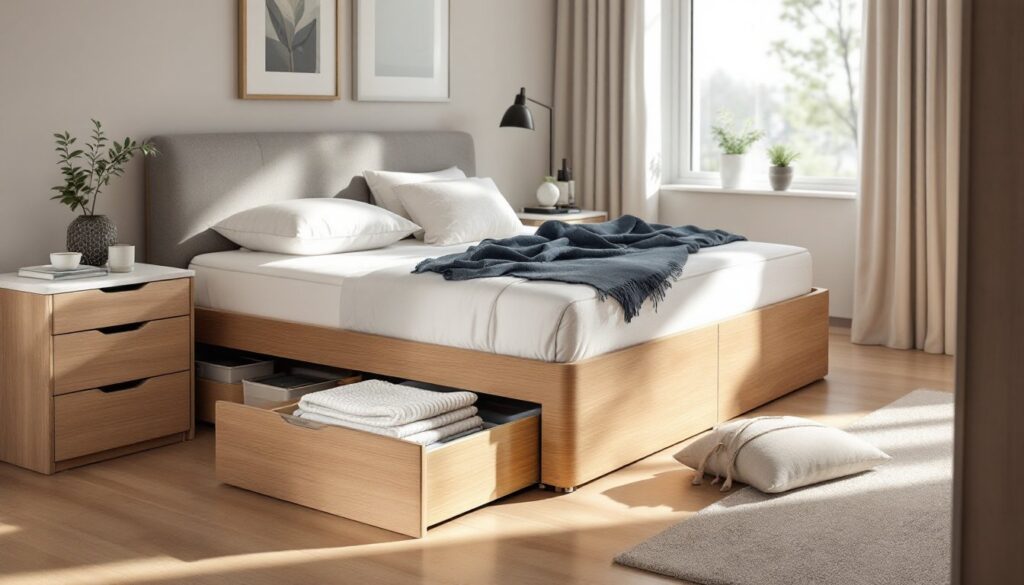
Under-bed storage containers capture valuable real estate. Low-profile bins with wheels make accessing stored items easy. This space works well for off-season clothing, extra bedding, or rarely used items.
Drawer dividers bring order to dresser chaos. They separate socks from underwear, ties from belts, and prevent the dreaded “junk drawer” effect.
Kitchen and Pantry Organization
Kitchens hold countless small items that need homes. Effective storage solutions here save time during cooking and meal prep.
Pull-out cabinet organizers make deep cabinets functional. No more crawling on hands and knees to find that slow cooker hiding in the back.
Lazy Susans work in corner cabinets and pantries. They bring items to the front with a simple spin.
Clear containers for pantry staples serve multiple purposes. They keep food fresh, show quantity at a glance, and stack efficiently. Uniform containers create a clean, organized look.
Vertical pan organizers store baking sheets, cutting boards, and pan lids upright. This prevents the avalanche that happens when pulling one pan from a horizontal stack.
Magnetic strips hold knives and metal spice containers on walls. This frees drawer and counter space while keeping frequently used items within reach.
Maximizing Small Spaces
Small spaces demand creative storage solutions. Every inch matters when square footage is limited.
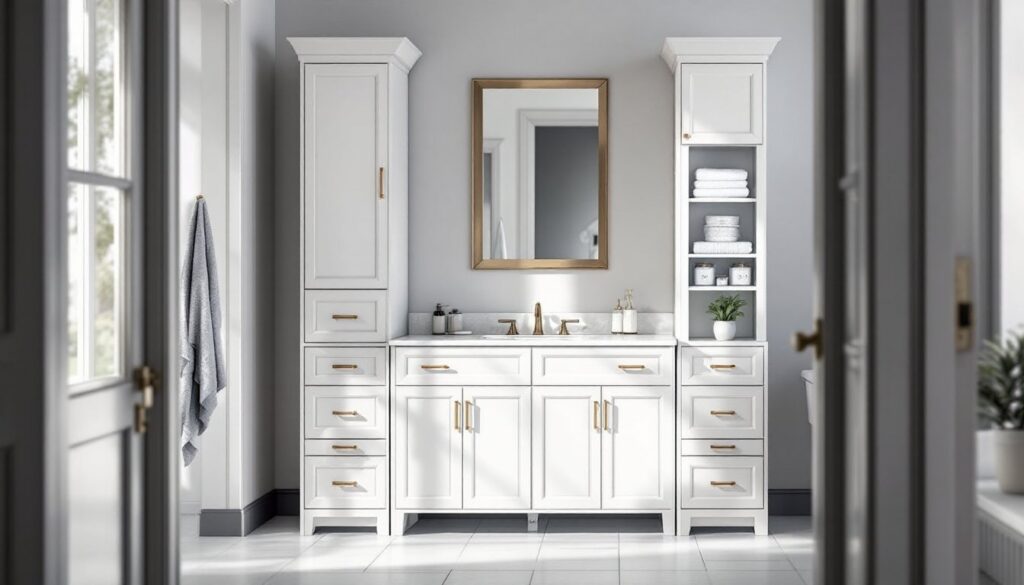
Think vertical. Walls offer storage potential that floors can’t. Floating shelves, pegboards, and wall-mounted hooks add storage without consuming floor space. In kitchens, this means pot racks and open shelving. In bathrooms, it means towel bars and medicine cabinets.
Choose furniture that multitasks. Ottomans with hidden storage, beds with built-in drawers, and coffee tables with shelves serve double duty. These pieces provide function without adding clutter.
Use the back of doors. Every door, closet, bathroom, pantry, bedroom, has unused vertical space. Over-the-door storage solutions work for shoes, toiletries, cleaning supplies, and pantry items.
Go modular. Stackable bins and adjustable shelving systems adapt as needs change. They can grow, shrink, or reconfigure based on current requirements.
Embrace hidden spaces. The area above kitchen cabinets, the space under stairs, and corners behind doors all offer storage potential. Baskets and decorative boxes can turn these forgotten zones into functional storage.
Reduce item size when possible. Vacuum storage bags compress bulky items like comforters and winter coats. Collapsible containers flatten when not in use. These storage solutions work well in apartments and small homes.
Choosing the Right Storage Products
Not all storage solutions deliver on their promises. Some products create more problems than they solve. Here’s how to choose wisely.
Measure twice, buy once. Nothing’s more frustrating than a storage bin that doesn’t fit the intended space. Always check dimensions before purchasing.
Consider material durability. Cheap plastic cracks and warps. Cardboard absorbs moisture and attracts pests. For long-term storage solutions, invest in quality materials like sturdy plastic, metal, or solid wood.
Think about visibility. Clear containers show contents without opening. Labeled bins work for items that don’t need to be seen. The right choice depends on what’s being stored and where.
Check weight capacity. Shelves, hooks, and containers all have limits. Heavy items like books or tools require storage solutions rated for the weight.
Match the aesthetic. Storage solutions that look good are more likely to stay organized. If bins are ugly, they’ll end up hidden, and forgotten. Choose products that fit the room’s style.
Read reviews. Other buyers share real-world experiences with storage products. Their feedback reveals quality issues, size discrepancies, and whether items hold up over time.
Start with one area. Rather than overhauling an entire home at once, focus on one space. Master it. Learn what works. Then apply those lessons to the next area.