
When storage feels like an afterthought, chaos follows. Whether you’re staring at an overstuffed pantry, a bedroom closet that’s seen better days, or a garage that’s become a catch-all, the problem isn’t usually a lack of space, it’s a lack of strategy. Stock storage solutions aren’t about buying more bins: they’re about thinking vertically, using dead space smartly, and creating systems you’ll actually stick with. In 2026, homeowners are moving beyond one-size-fits-all organizers toward practical, adaptable storage that works with how they actually live. This guide walks you through the best approaches to reclaim your space and keep it organized.
Table of Contents
ToggleKey Takeaways
- Stock storage solutions prioritize vertical space, clear visibility, and adaptable systems over buying more bins and one-size-fits-all organizers.
- Measure your space precisely and take inventory of pain points before purchasing; success depends on matching storage systems to your actual behavior and home layout.
- Wall-mounted shelving, pegboards, and adjustable track systems maximize vertical real estate while floating shelves and multipurpose furniture provide flexible, aesthetically pleasing alternatives.
- Clear containers, lazy Susans, and strategic labeling in pantries and closets prevent duplicate purchases and food spoilage by ensuring you can see and access what you have.
- A consistent labeling and inventory system—using labels, color-coding, or smartphone photos—keeps all household members accountable and prevents the slow slide back into disorganization.
Understanding Stock Storage Essentials
Stock storage means having a defined place for everyday items you use repeatedly, pantry staples, cleaning supplies, seasonal gear, tools, or craft materials. Before you start shopping for shelves or bins, take an honest look at what you’re storing and how often you access it. Items you grab weekly should be at eye level: heavy or bulky items belong lower: things you rarely need can climb higher or go deeper in a closet.
The foundation of any good storage system is a clear inventory. Walk through your home and note which areas are the biggest pain points. Is your pantry overflowing because you can’t see what you have? Is your linen closet stuffed because everything’s in loose stacks? These patterns tell you what solution will actually solve your problem. Understanding your specific needs prevents wasted money on the wrong products.
Measurement is non-negotiable. Grab a tape measure and record the exact width, depth, and height of the space you’re organizing. Don’t eyeball it, precision here saves you from ordering shelving that doesn’t fit. Also note ceiling height, existing fixtures, and whether walls are load-bearing (critical if you’re installing heavy shelving). When you understand your space, you can make smart choices about what storage systems will work.
Vertical Storage Systems That Maximize Space
Most homes have plenty of vertical real estate that goes unused. The wall above your washer, the space between studs in a garage, the back of a pantry door, these are opportunities. Vertical storage pulls items off the floor and into the active zone where you can actually see and reach them.
Wall-mounted systems come in several types, each with different load capacities and aesthetics. Heavy-duty shelf brackets can handle serious weight and work well for garage or workshop storage. Lighter shelving suits bedrooms, bathrooms, or linen closets. If you’re renting or hesitant about permanent installation, floating shelves that use toggle bolts or picture-hanging hardware offer a compromise.
Wall-Mounted Shelving and Pegboard Options
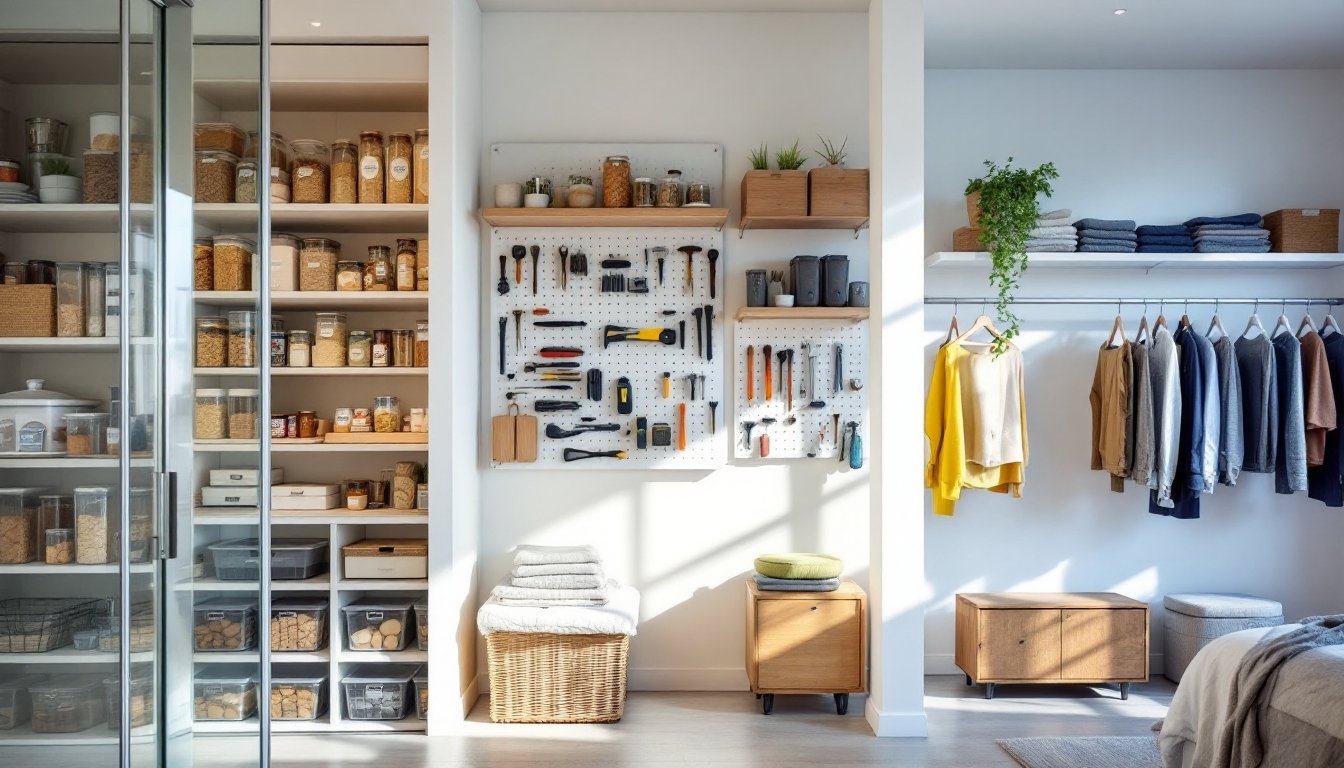
For DIY simplicity, pegboards are hard to beat. A standard 1/4-inch pegboard panels cost $15–$30 each and handle light to medium loads depending on hook rating. Install pegboard using wooden shims between the board and wall studs to allow air flow and hook clearance. Space mounting points every 16 inches (stud spacing) and use 1/4-inch bolts with washers for security. Pegboards work brilliantly in garages, craft rooms, or kitchens for tools, small containers, or cords. The downside: it looks utilitarian, which works for some spaces but not others.
Floating shelves (also called wall shelves) give a cleaner look and suit living areas better. They’re mounted using heavy-duty brackets hidden inside the shelf, so all you see is the wood. If your shelves will hold more than 50 pounds per shelf, you must anchor them to studs with lag screws (not drywall anchors alone). For a 36-inch shelf, mount brackets at least 24 inches apart. This prevents sagging over time.
Adjustable track systems (like those used in retail) offer flexibility. Vertical aluminum tracks mount to studs: shelves and brackets hang from them. You can easily reconfigure the layout as your needs change. These systems carry a higher upfront cost ($3–$10 per linear foot installed) but pay dividends if you reorganize frequently.
Closet and Pantry Organization Techniques
Closets and pantries are prime targets for stock storage because items live there long-term and frequent rotation isn’t always practical. The key is visibility and access, if you can’t see what you have, you’ll buy duplicates or forget about food that spoils.
Start with a good closet rod system. A double hanging rod nearly doubles your capacity for folded or shorter items. Install a second rod 40–42 inches below the first, leaving 60–65 inches for long items like dresses or coats. Use wooden shelf units or stackable plastic cubbies to fill the space below the double rods, creating zones for shoes, bags, or off-season items.
For pantries, Stock Storage Solutions Ideas emphasize clear containers and lazy Susans for deep shelves. Decant dry goods (flour, sugar, cereal, pasta) into airtight plastic or glass containers labeled with contents and expiration dates. For the back of shelves that are hard to reach, a rotating Lazy Susan lets you spin items forward instead of reaching deep into the shadows. Group by category: baking supplies together, snacks together, canned goods together.
Use shelf dividers (even books or small binder clips work) to prevent cans or boxes from toppling when you pull one out. Label shelves with painter’s tape or a dry-erase marker noting what goes there. This keeps family members from creating chaos. If your pantry has a small floor space, a rolling cart can hold seasonal items or overflow without taking up permanent real estate.
Multipurpose Furniture for Hidden Storage
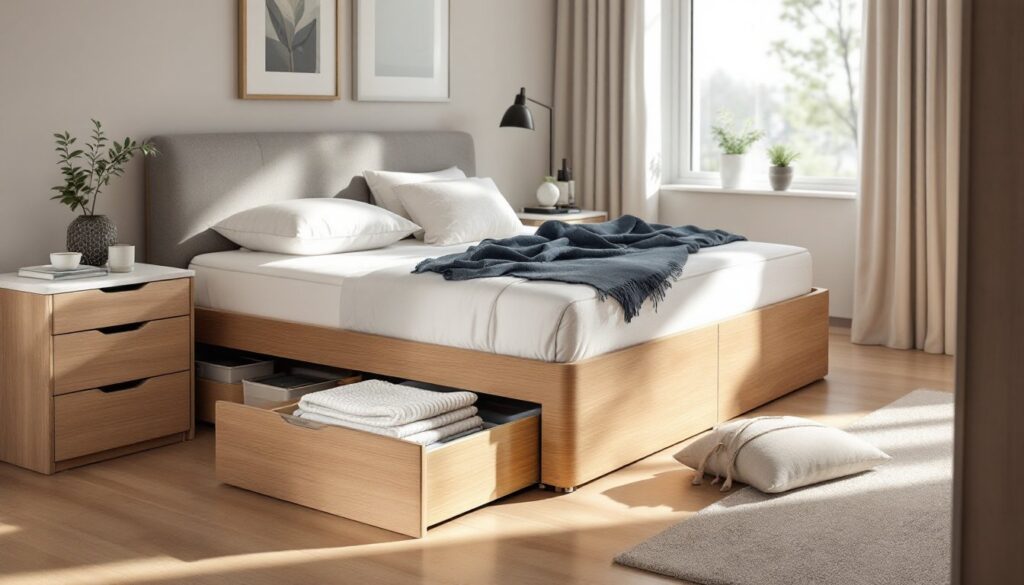
Not every storage item has to look like storage. Furniture that does double duty saves money and keeps your home from looking like a warehouse. An ottoman with a hinged top stores blankets or seasonal decor inside while serving as a footrest or extra seating. A bed frame with built-in drawers handles off-season clothing or spare linens without eating floor space. Entryway benches hide shoe and coat clutter while providing a seat.
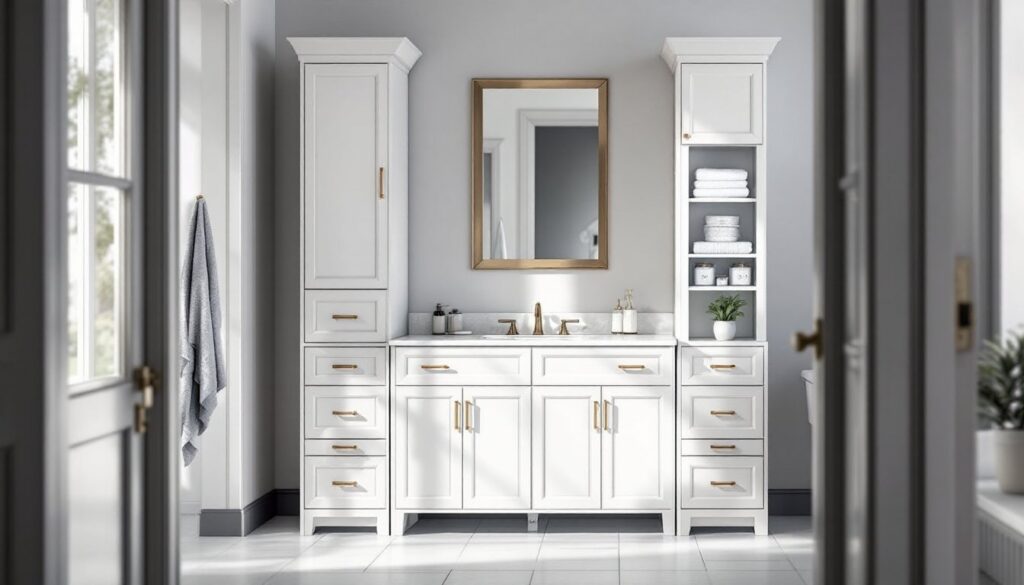
For kitchens, kitchen islands with shelving or cabinet space underneath become pantry extension and countertop work surface in one. A credenza or sideboard in the dining room holds extra dishes, linens, and serving pieces while anchoring the decor. Tall, narrow bookcases fit into corners and alcoves, working for either books or decorative baskets filled with supplies.
When choosing multipurpose pieces, consider material durability and ease of cleaning. Solid wood or quality plywood holds up better than particleboard if you’re accessing the storage regularly. A piece with drawers or doors protects contents from dust and casual viewing, useful for supplies you don’t want on display. Storage Solutions Tools that combine furniture and organization let you move items around as your home layout or needs evolve.
Labeling and Inventory Management Systems
The best-organized space falls apart without a labeling system. When everyone in the household knows where things go and what’s there, storage stays functional instead of devolving into chaos. Use a label maker ($15–$40) for a professional, consistent look. Handwritten labels work too, but they fade and look less intentional.
Create a simple spreadsheet or use a note app on your phone to track high-value or frequently-restocked items. Note quantity, location, and when you last bought something. This prevents over-buying and catches spoilage before it wastes money. For pantries, this is especially important: a quick photo of your shelves on your phone gives you a visual inventory while shopping.
Color-coding works well for households with multiple people. Assign each family member a color: their items (lunch snacks, medications, school supplies) get labeled in that color. At a glance, everyone knows what’s theirs and where to find it. For Storage Solutions Trends in smart homes, some people use simple smartphone apps to scan items and track locations, though a notebook works just fine.
Label not just the container but the shelf itself. Write or print what category belongs at each level. When someone puts something back, they immediately see where it goes. This speeds cleanup and prevents the slow slide back into disorder. Update labels annually or when your system changes.
Conclusion
Smart stock storage isn’t complicated, but it does require thinking about your space before you shop. Measure twice, buy once, and choose systems that match your actual behavior, not your aspirational self. Whether you go vertical with wall-mounted shelving, reclaim closet and pantry space with smart containers, hide storage in furniture, or tie it all together with clear labeling, the goal is the same: finding things when you need them and using every inch efficiently. Start with one problem area, solve it completely, then move to the next. Success builds momentum.