
If your garage looks like a tornado hit a retail store, or your basement closet has become a black hole of forgotten items, you’re not alone. Most homeowners struggle with clutter because they lack a simple, reliable system. 12×12 plastic storage bins have become a staple solution for a reason: they’re affordable, durable, and remarkably versatile. Whether you’re organizing seasonal decorations, pantry overflow, or a chaotic utility closet, these compact containers offer a straightforward way to reclaim your space. The right storage bins don’t just tidy up your home, they save time, protect your belongings, and make finding things actually possible.
Table of Contents
ToggleKey Takeaways
- 12×12 plastic storage bins offer the ideal size-to-portability balance for home organization, fitting through doorways while holding substantial loads like seasonal decorations and clothing without overwhelming storage spaces.
- High-quality 12×12 plastic storage bins are made from virgin polypropylene or HDPE with walls at least 0.15 inches thick and metal hinges, ensuring durability against temperature swings, UV exposure, and repeated use for a decade or more.
- These plastic bins stack efficiently three to four high without toppling, providing cost-effective organization for garages, basements, closets, and pantries at $8-$20 per container.
- Clear or semi-transparent plastic storage bins allow you to identify contents at a glance without opening containers, saving time during seasonal searches and reducing the need for careful labeling.
- Elevate basement bins on concrete blocks or shelves, use drain holes or ventilation slots for moisture prevention, and label every container to prevent forgotten items and maximize accessibility.
- 12×12 storage bins work best when you store only what you actually own, organizing like items together in dedicated spaces such as tool bins in garages or baking supply bins in pantries.
Why 12×12 Plastic Storage Bins Are a Game-Changer for Home Organization
The appeal of 12×12 plastic storage bins comes down to practicality and scale. A 12-inch cube is large enough to hold meaningful amounts of stuff, think a full set of holiday lights, seasonal clothing, or a dozen rolls of wrapping paper, without being so massive that you need two people to move it or can’t fit it through a doorway. This sweet spot makes them ideal for apartments, townhouses, and single-story homes where vertical storage is limited.
Plastic bins outperform cardboard boxes in almost every way. They don’t collapse when wet, they won’t attract insects or rodents, and they stack reliably without crushing what’s inside. Unlike wood crates or wire shelving, plastic bins hide their contents, which matters if you care about aesthetics or want to keep dust off stored items. The transparency of most plastic storage options also means you can see what’s in each bin at a glance without opening every container.
Cost-effectiveness rounds out the picture. A decent 12×12 plastic storage bin typically runs $8 to $20 depending on wall thickness and latch quality. That’s reasonable for something that’ll last a decade or more. Professional organizers and homeowners on tight budgets favor them because they deliver real results without very costly.
Key Features and Benefits to Consider
Durability and Weather Resistance
Not all plastic storage bins are created equal. Virgin polypropylene (PP) or high-density polyethylene (HDPE) are the most common materials, and they hold up well to temperature swings, UV exposure, and physical wear. If you’re storing bins in an unheated garage or outdoor shed, look for bins that explicitly mention UV-resistant additives, cheaper options will become brittle and crack after a few seasons of sun exposure.
Wall thickness matters more than you’d think. Thin-walled bins feel flimsy and bend easily: aim for containers with walls at least 0.15 inches thick. Check the latches and hinges too. Plastic hinges break: metal hinges last longer. If a bin will sit in a damp basement or garage near a water heater, look for bins with drain holes or ventilation slots to prevent moisture buildup inside.
According to cleaning experts who test storage solutions, durability determines whether bins survive repeated open-close cycles and temperature extremes. A bin that looks fine after purchase might crack in year three if the material isn’t reinforced properly.
Stackability and Space Efficiency
A 12×12 bin stacks neatly, three or four high, without toppling. The key is a flat, stable base and a well-designed lid that doesn’t shift when weight sits on top. Some bins have interlocking corners or raised edges on the lid, these prevent slipping better than smooth, flat lids.
Consider your ceiling height and shelf depth. A stack of four bins reaches 48 inches tall, which fits under most basement beams and garage ceilings. Depth-wise, a single row along a wall takes up just one foot, thin enough to leave a walkway or work zone. If you’re lining a closet or alcove, measure first. A 12×12 footprint works well in standard closets and shelf units, though some narrow pantries might feel cramped.
Clear or semi-transparent bins win here because you can see contents without removing the lid. Opaque bins save you from seeing dust, but they force you to label carefully and remember what’s inside. A hybrid approach, clear bins with solid lids, gives you visibility without the visual clutter if that matters in your living spaces.
Best Uses for 12×12 Storage Bins Around Your Home
Garage, Basement, and Seasonal Storage
Garages and basements are where 12×12 storage bins truly shine. These spaces are usually climate-controlled or well-sealed enough to protect stored items, and the utilitarian environment means aesthetics take a back seat.
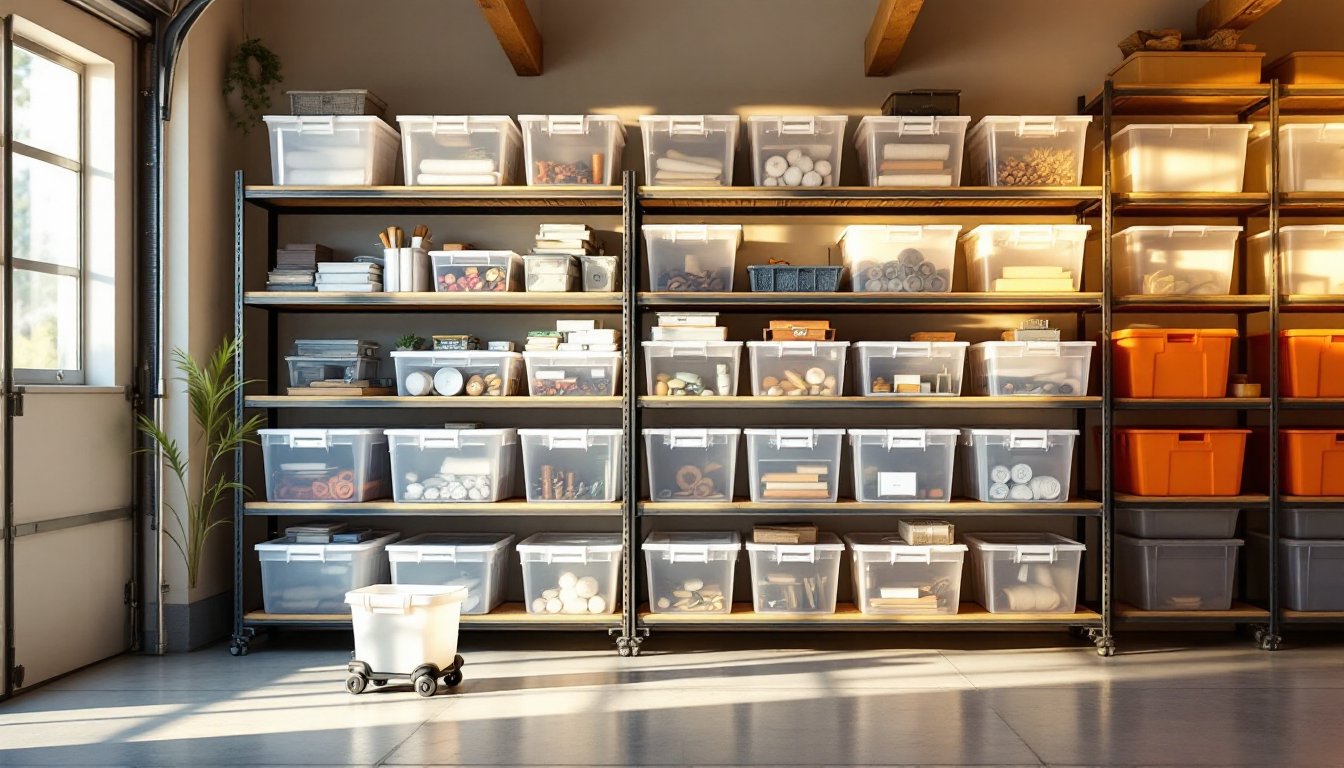
Seasonal items are ideal for bins. Holiday decorations, lights, tinsel, ornaments, inflatables, pack into a bin neatly and stack for off-season storage. Winter clothes, summer patio cushions, and seasonal sports gear all benefit from being sealed away until needed. Use clear bins so you can identify what’s inside without cracking open every container in November when you’re hunting for the tree topper.
Garages also benefit from dedicated bins for tools, hardware, garden supplies, and automotive fluids. Keep like items together: screws and fasteners in one bin, paint supplies in another, extension cords and battery chargers in a third. Label every bin with a permanent marker or a label maker (seriously, label them, your future self will thank you). A rolling dolly or small cart supporting one or two bins makes pulling items from a high shelf safer and easier.
Basements handle bulk storage well. Water heater flue pipes, spare drywall, rolled insulation, and lumber offcuts all stay organized and off the floor where moisture and pests lurk. Just elevate bins slightly on concrete blocks or a low shelf: don’t set them directly on a basement floor where condensation can seep in.
Closets, Pantries, and Interior Organization
Inside your home, 12×12 bins excel at hidden clutter control. Closet shelves are a natural fit, a stack of two or three bins creates tidy cubbies for off-season clothes, extra linens, or craft supplies. The neutral appearance of most bins blends with closet interiors better than loose piles of boxes.
Pantries benefit from bins that corral overflow items. Baking supplies (flour, sugar, baking soda), canned goods backup stock, and bulk purchases from warehouse clubs organize neatly into a bin. Label it clearly so everyone in the household knows what’s stashed and where. This approach keeps shelves from looking crammed and makes inventory easier.
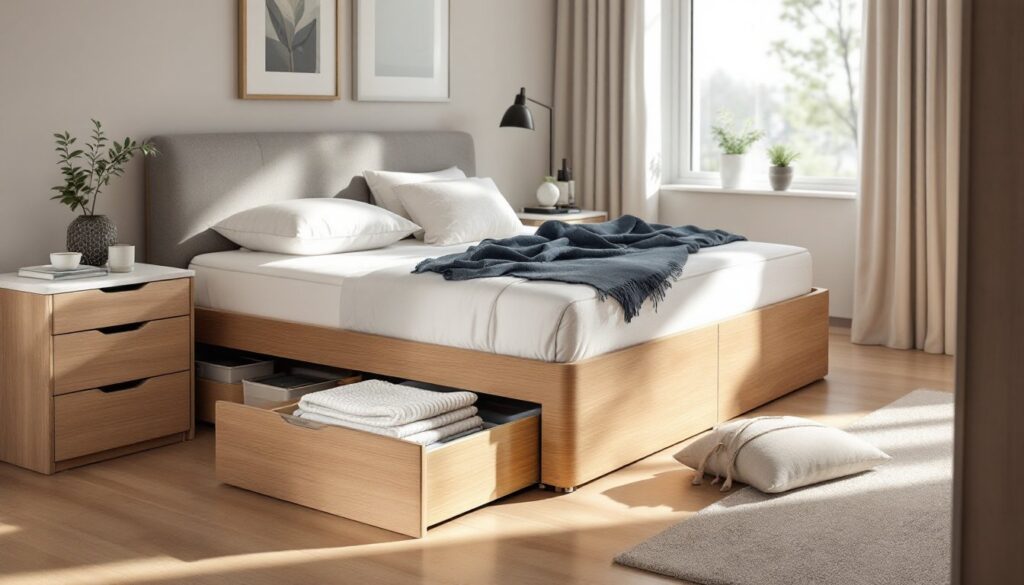
Under-bed storage is an oldie but goodie. A 12×12 bin slides under most queen or king beds and holds out-of-season bedding, extra pillows, blankets, or clothing you rotate seasonally. Opt for bins with wheels (some models include them) to make pulling them out painless. Keep the under-bed environment dry, a desiccant packet inside the bin absorbs moisture if humidity is a concern.
Living room and bedroom closets, playrooms, and home offices all benefit from storage solutions that keep items accessible yet organized. The key is honesty: buy enough bins to house what you actually own, not what you wish you owned. Overcrowded bins defeat the purpose.