

Storage solutions can transform a cluttered home into a functional, organized space. Whether someone lives in a compact apartment or a spacious house, the right storage system makes daily life easier. Clutter creates stress, wastes time, and reduces usable living space. The good news? Practical storage options exist for every room, budget, and lifestyle.
This guide covers how to assess storage needs, explore different storage solutions, and maximize available space. Readers will also find tips for keeping their home organized long-term. By the end, anyone can make informed decisions about which storage solutions work best for their situation.
Table of Contents
ToggleKey Takeaways
- Assess your storage needs by taking inventory, identifying clutter zones, and measuring available space before purchasing any storage solutions.
- Closet organizers, floating shelves, and modular systems are versatile storage solutions that work for nearly every room and budget.
- Maximize small spaces by going vertical, choosing multi-functional furniture, and utilizing under-bed and behind-door storage.
- Assign every item a designated home and follow the one-in, one-out rule to prevent clutter from building up again.
- Spend 10-15 minutes daily on quick resets to maintain organization and keep your storage solutions working effectively.
Assess Your Storage Needs
Before buying any storage solutions, a homeowner should evaluate what they actually need to store. This step prevents wasted money on products that don’t fit the space or purpose.
Take Inventory of Belongings
Start by sorting items into categories: keep, donate, and discard. Many people own things they no longer use. Removing unnecessary items reduces the amount of storage required. A good rule of thumb? If something hasn’t been used in over a year, it probably isn’t needed.
Identify Problem Areas
Walk through each room and note where clutter builds up. Common trouble spots include entryways, kitchens, bedrooms, and home offices. Pay attention to items that don’t have a designated home. These areas need storage solutions the most.
Measure Available Space
Accurate measurements matter. Measure the height, width, and depth of closets, corners, and empty walls. Write these numbers down before shopping. Nothing is more frustrating than buying a shelving unit that doesn’t fit.
Consider Usage Patterns
Think about how often certain items get used. Everyday essentials should be easy to reach. Seasonal items, like holiday decorations or winter gear, can go in harder-to-access spots. Storage solutions should match how people actually live, not some ideal version of organization.
Types of Storage Solutions to Consider
Different storage solutions serve different purposes. Understanding the options helps homeowners pick the right products for each room.
Closet and Wardrobe Organizers
Closets often become dumping grounds for clothes, shoes, and accessories. Closet organizers bring order to this chaos.
Hanging Organizers: These fabric or plastic units hang from closet rods. They work well for shoes, sweaters, and accessories. They cost little and install in seconds.
Drawer Dividers: Small compartments inside drawers keep socks, underwear, and jewelry separated. They prevent the dreaded “junk drawer” effect.
Double Hanging Rods: Adding a second rod below the existing one doubles hanging space. This simple storage solution works great for shirts, jackets, and shorter garments.
Modular Closet Systems: These customizable units include shelves, drawers, and hanging sections. They cost more but offer maximum flexibility. Many home improvement stores sell ready-to-install kits.
Shelving and Cabinet Systems
Shelves and cabinets provide visible, accessible storage throughout the home.
Floating Shelves: These mount directly to walls without visible brackets. They add storage without taking up floor space. Use them in living rooms, bathrooms, or kitchens for books, plants, or decorative items.
Freestanding Bookcases: Traditional bookcases remain popular storage solutions. They hold books, bins, baskets, and display items. Look for sturdy construction and adjustable shelf heights.
Kitchen Cabinets with Pull-Out Organizers: Deep cabinets often waste space. Pull-out shelves and lazy Susans make items in the back accessible. These storage solutions improve kitchen efficiency dramatically.
Garage Cabinets and Wall Systems: Garages benefit from heavy-duty storage. Metal cabinets, pegboards, and wall-mounted tool racks keep tools and equipment off the floor.
Maximizing Small Spaces
Small homes and apartments require creative storage solutions. Every square foot counts.
Go Vertical
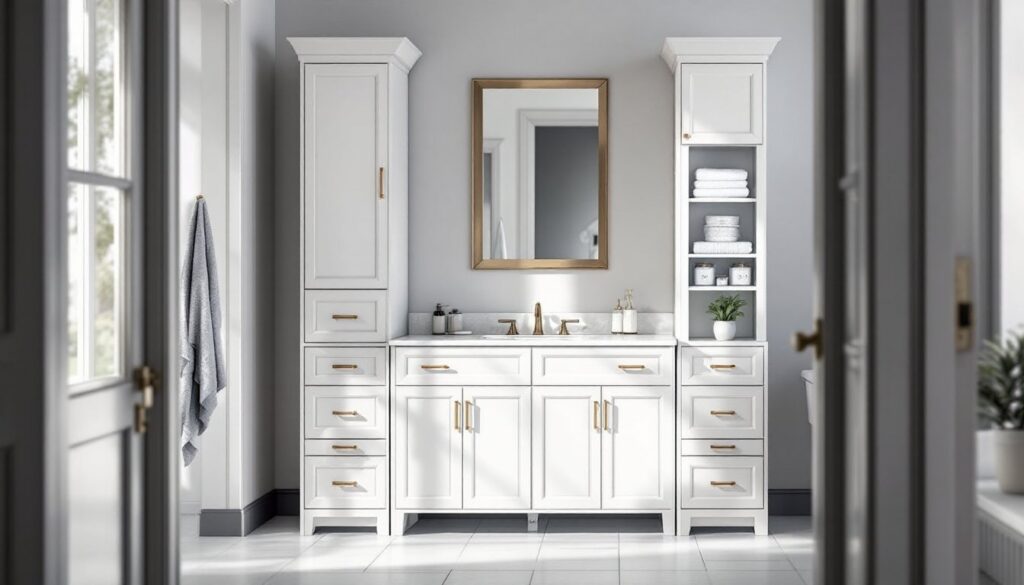
Walls offer untapped storage potential. Install shelves near the ceiling for items used less frequently. Use over-door organizers in bedrooms, bathrooms, and pantries. Tall, narrow storage units fit into tight corners.
Choose Multi-Functional Furniture
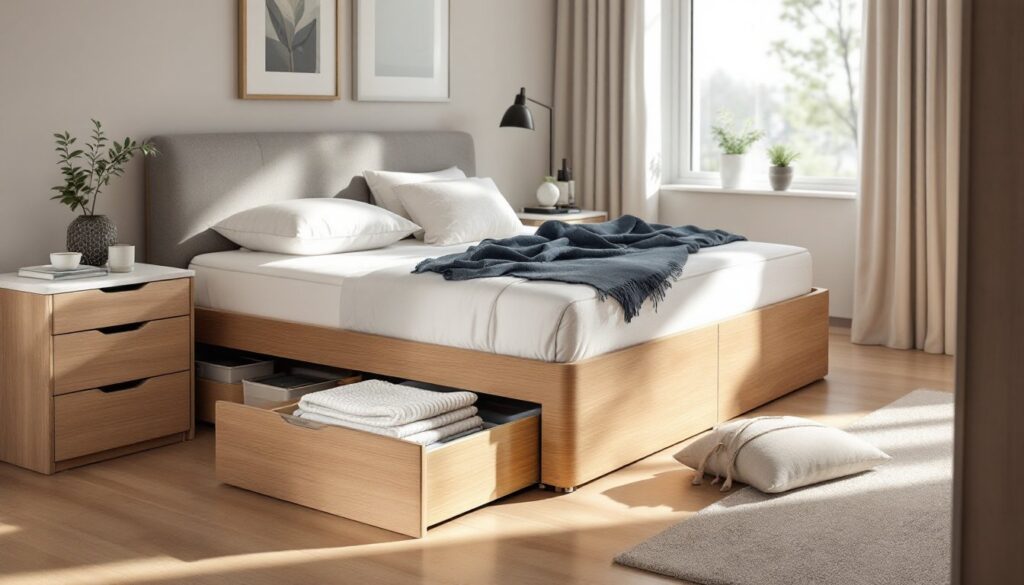
Furniture that doubles as storage saves space. Ottomans with hidden compartments store blankets and pillows. Beds with built-in drawers eliminate the need for separate dressers. Coffee tables with lower shelves hold magazines and remotes.
Use Under-Bed Storage
The space under beds often goes unused. Flat storage containers slide underneath and hold out-of-season clothing, extra linens, or shoes. Bed risers lift the bed higher to create even more room.
Think Inside the Doors
Closet doors, cabinet doors, and entry doors all have usable backs. Mount hooks, racks, or slim organizers on these surfaces. This storage solution works especially well for jewelry, cleaning supplies, and spices.
Declutter Regularly
Small spaces fill up fast. Regular purging prevents storage solutions from becoming overwhelmed. Schedule a quick declutter session every few months to stay ahead of accumulation.
Tips for Maintaining an Organized Space
Installing storage solutions is only half the battle. Keeping spaces organized requires ongoing effort and good habits.
Assign Everything a Home
Every item should have a specific spot. When things don’t have designated places, they end up on counters, tables, and floors. Label bins and containers to remind everyone where items belong.
Follow the One-In, One-Out Rule
For every new item that enters the home, one similar item should leave. This practice prevents slow accumulation. It works especially well for clothing, toys, and kitchen gadgets.
Put Things Back Immediately
Clutter builds when people delay returning items to their spots. Make it a habit to put things away right after use. This takes seconds but saves hours of cleanup later.
Do Quick Daily Resets
Spend 10-15 minutes each evening tidying up. Return stray items to their homes. Wipe down surfaces. This daily reset prevents small messes from becoming big problems.
Review and Adjust
Storage needs change over time. A system that worked last year might not work now. Periodically evaluate whether current storage solutions still serve their purpose. Adjust as needed.