
Hybrid storage solutions blend multiple organizational strategies and furniture types into a single, cohesive system. Instead of relying on one method, say, just shelving or just under-bed storage, they combine vertical space, multi-purpose furniture, and built-in systems to create maximum usable room. In 2026, as homes continue to shrink and lifestyles become more complex, hybrid approaches have become essential for anyone serious about reclaiming their square footage without sacrificing style or function.
Table of Contents
ToggleKey Takeaways
- Hybrid storage solutions combine multiple organizational techniques and furniture types to maximize space efficiency in homes of any size.
- Assigning each category of belongings a specific location based on frequency of use, accessibility, and size keeps spaces functional without clutter.
- Vertical and under-bed storage combinations turn sleeping areas and unused wall space into powerful storage anchors that work together.
- Multi-purpose furniture like storage beds, ottomans, and built-in systems eliminate the need for separate pieces and reduce wasted floor space.
- Hybrid storage systems adapt flexibly as your lifestyle changes, allowing you to repurpose areas without major renovations or contractor costs.
- Small spaces feel intentional and organized rather than cramped when thoughtful wall shelving, drawer systems, and vertical hooks work in concert.
What Are Hybrid Storage Solutions?
Hybrid storage solutions combine multiple organizational techniques and furniture pieces to maximize space efficiency. Rather than picking a single strategy, whether shelving, drawers, or closet systems, hybrid setups layer different approaches to achieve better results.
At their core, these systems recognize that every inch of wall space, floor space, and vertical real estate has potential. A hybrid approach might feature floating shelves above a window seat with built-in storage, wall-mounted cabinets next to over-the-door organizers, and under-bed drawers all working in concert. The goal isn’t complexity for its own sake: it’s intelligent, purposeful use of every available dimension in a room.
What makes hybrid storage distinct is intentionality. Instead of tossing items into a single closet or shoving boxes under a bed, hybrid systems assign each category of belongings a specific location based on frequency of use, size, and accessibility. A winter coat lives in a hall closet with sliding doors: daily-use items sit at arm’s reach on open shelving: rarely-used items tuck into high, closed storage. This layered approach keeps spaces functional without looking cluttered.
One key advantage: hybrid systems adapt as your life changes. Add a kid, and you repurpose that open shelf area. Downsize, and you rethink how vertical space serves your needs. The framework stays flexible.
Why Hybrid Storage Works for Modern Homes
Modern homes face a unique storage squeeze. Newer construction often prioritizes open-plan living, which looks spacious but offers fewer dedicated storage areas. At the same time, people accumulate more stuff, electronics, hobby supplies, seasonal items, than ever before. Hybrid storage solutions directly address this mismatch.
They’re also psychologically effective. Research on organizing environments shows that when people can see where things belong and access them easily, they’re more likely to maintain the system. A hybrid approach creates designated zones: toys here, books there, tools in the corner cabinet. This clarity reduces decision fatigue and prevents the slow slide back into chaos.
Storage solutions trends 2026 reflect this shift toward multi-functional spaces and adaptable systems. Homeowners increasingly reject one-size-fits-all solutions in favor of customized, layered approaches that grow with their needs.
Cost-effectiveness is another draw. Rather than renovating an entire room or hiring contractors for a massive built-in project, you can layer affordable components, floating shelves, tension rods, drawer dividers, to create a sophisticated hybrid system over time. You don’t need perfection on day one.
Perhaps most important: hybrid solutions make small spaces feel intentional rather than cramped. A 200-square-foot bedroom with thoughtful wall shelving, a bed frame with drawers, and vertical hooks doesn’t feel tiny, it feels organized and purposeful.
Popular Hybrid Storage Ideas for Every Room
Multi-Purpose Furniture and Built-In Systems
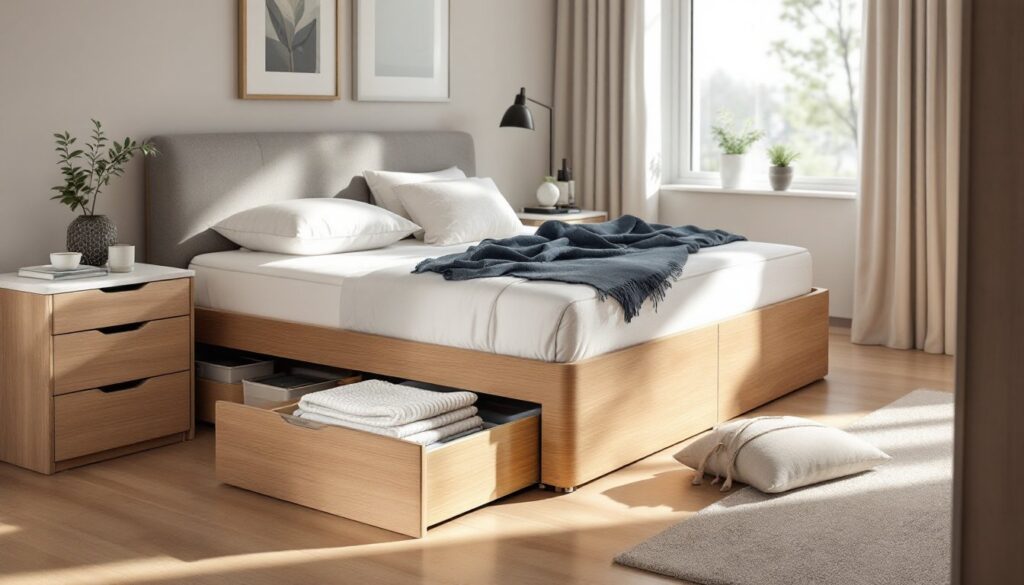
Multi-purpose furniture is the workhorse of hybrid storage. A bed frame with built-in drawers eliminates the need for a separate dresser: a storage ottoman serves as seating, a footrest, and a hiding spot for throw blankets: a desk with shelving above handles work, display, and storage in one footprint.
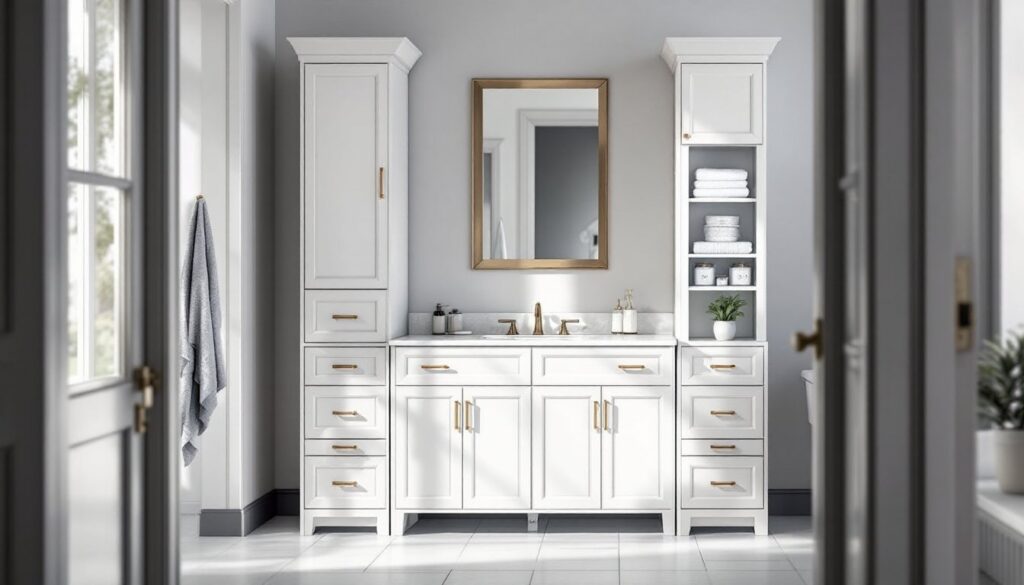
Built-in systems take this further. Rather than buying standalone pieces, you integrate storage directly into the room’s structure. Wall-to-ceiling shelving, a mudroom with cubbies and a bench, or a kitchen island with lower cabinets and upper open shelves, these systems feel custom and eliminate dead space.
When planning built-ins, measure twice and think about load requirements. A floating shelf meant to hold books needs stronger support than one for decorative items. Standard 2×10 lumber can span 32 inches when properly supported, while heavier-duty shelving might span less. Always use appropriate wall anchors or bracket into studs: drywall alone won’t hold weight safely.
For DIYers, storage solutions tools simplify the installation process. A good stud finder, level, and drill are non-negotiable. Consider renting a miter saw if you’re cutting shelves to exact lengths, as hand-cutting invites mistakes that waste material and frustrate projects.
Start with one multi-purpose piece, maybe a storage bed, rather than overhauling an entire room. This lets you assess what works for your lifestyle before committing to expensive built-ins.
Vertical and Under-Bed Storage Combinations
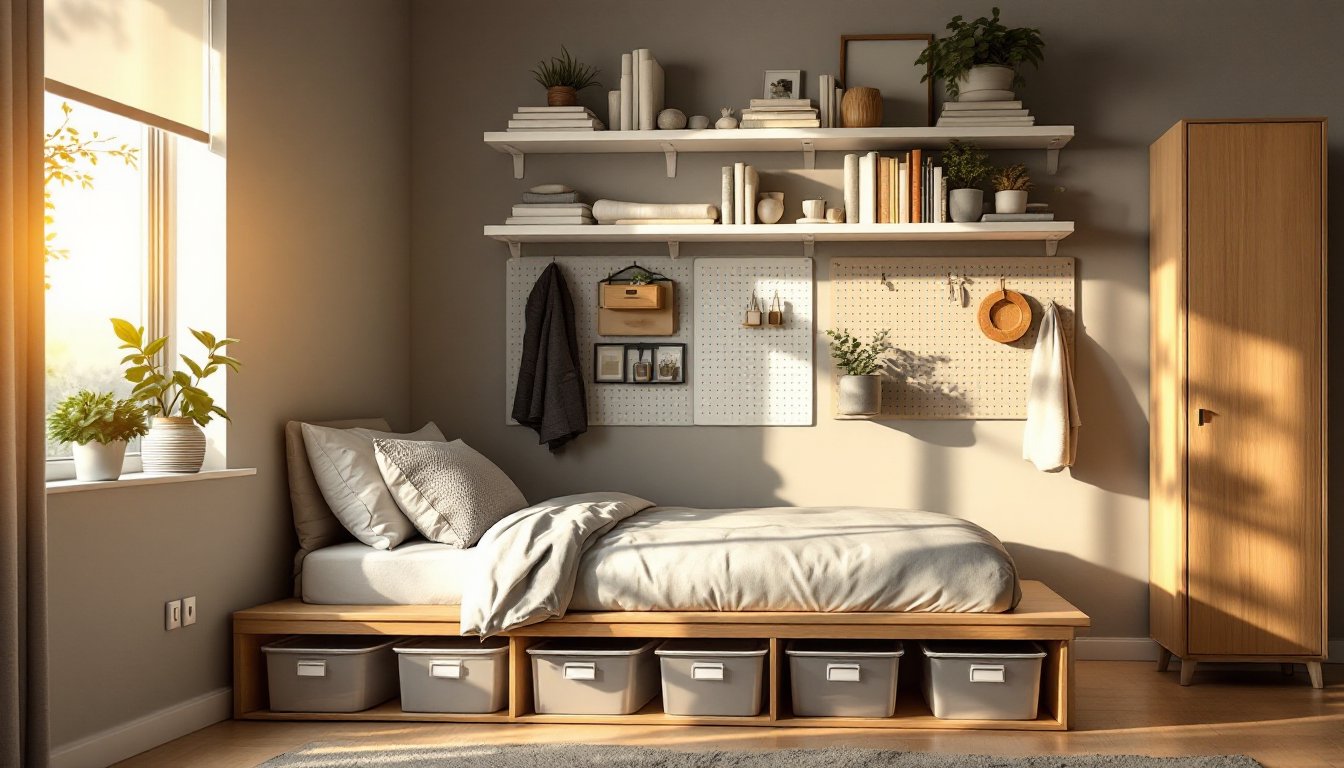
Vertical storage is the small-space savior. Walls are often your largest unused real estate. Pegboards, slatwall systems, wall-mounted cabinets, and tall narrow shelving units all exploit this dimension without eating floor space.
Combine vertical systems with under-bed storage for a one-two punch. The bed becomes a storage anchor: drawers slide underneath for seasonal clothing, bedding, or items used infrequently: shelves climb the wall above the headboard for books and decor. Together, they turn a sleeping area into a storage powerhouse.
Under-bed storage works best with clear plastic bins so you can see contents without opening every box. Label each bin and stick to a simple system: off-season clothes, holiday decorations, sentimental items. Moisture is the enemy, add a small silica desiccant packet in each bin, especially in humid climates, to prevent mildew.
For awkward vertical spaces, the gap between the top of a doorframe and the ceiling, narrow wall sections next to a refrigerator, storage solutions examples show creative solutions: shallow open shelves, tension rod systems, or adhesive-backed hooks. These high-touch areas work best for items you rarely access.
Small rooms often benefit from floor-to-ceiling storage on one wall, balanced by open space elsewhere. A packed wall of shelving opposite a window makes the room feel less claustrophobic than scattered pieces throughout. Proportion matters.
When combining vertical and under-bed systems, ensure the bed doesn’t block access to wall outlets or radiators. Airflow and electrical safety trump storage convenience. Also measure clearance: a shelf 12 inches above the bed’s headboard shouldn’t sit so low that you bump your head when propped up reading.
Conclusion
Hybrid storage solutions aren’t a trend, they’re a response to real constraints modern homeowners face. By layering different storage types and furniture functions, you create systems that adapt to your life while maximizing every square inch. Start small, measure carefully, and prioritize the areas where disorganization causes the most friction. The payoff is a calm, functional home that works as hard as you do.