

Space saving strategies can transform even the smallest home into a functional, organized living area. Whether someone lives in a 500-square-foot apartment or a modest suburban house, maximizing available space remains a universal challenge. The good news? Smart storage solutions and intentional design choices can double usable space without expensive renovations.
This guide covers practical space saving strategies that actually work. From decluttering methods to vertical storage hacks, readers will discover how to make every square foot count. These techniques apply to any room, any budget, and any lifestyle.
Table of Contents
ToggleKey Takeaways
- Start any space saving strategy by decluttering first—most people discover 20-30% more storage once excess items are removed.
- Maximize vertical storage with floating shelves, tall bookcases, and over-door organizers to use wall space that typically goes unused.
- Invest in multi-functional furniture like storage ottomans, Murphy beds, and nesting tables to make every piece earn its floor space.
- Tap into hidden storage opportunities under beds, inside stair risers, and between wall studs to capture overlooked square footage.
- Apply room-specific space saving strategies: magnetic strips in kitchens, over-toilet shelving in bathrooms, and double-hang closet rods in bedrooms.
- Maintain a clutter-free home long-term by following the “one in, one out” rule for every new purchase.
Declutter Before You Organize
The most effective space saving strategies begin with one essential step: decluttering. No amount of clever storage can compensate for too much stuff. Organizing clutter just creates organized clutter.
Start by sorting items into three categories: keep, donate, and discard. Be ruthless. That bread maker from 2018 that’s never been used? It’s taking up valuable cabinet space. Those clothes that “might fit again someday”? They’re blocking closet real estate.
The one-year rule works well here. If an item hasn’t been used in twelve months, it probably won’t be used in the next twelve either. Seasonal items like holiday decorations get an exception, but that exercise bike collecting dust does not.
Decluttering creates immediate results. Most people discover they already have adequate storage, they just have too many possessions filling it. A thorough purge often reveals 20-30% more available space without buying a single organizer.
Once the excess is gone, maintaining a clutter-free home becomes easier. The “one in, one out” rule prevents future accumulation. Every new purchase means something old leaves. This simple habit keeps space saving strategies effective long-term.
Vertical Storage Solutions
Most homeowners think horizontally about storage. They buy wider shelves or larger dressers. But vertical space often goes completely unused. Walls extend eight feet or higher in most rooms, that’s prime storage territory.
Floating shelves represent one of the simplest space saving strategies available. They cost between $15 and $50 each and install in minutes. Bathroom floating shelves can hold toiletries, towels, and decorative items. Kitchen versions display cookbooks and frequently used spices.
Tall bookcases maximize vertical square footage better than short, wide alternatives. A six-foot bookcase holds roughly twice the items of a three-foot model while occupying identical floor space. The same logic applies to wardrobes, pantry shelving, and garage storage systems.
Over-door organizers work wonders in tight spaces. Bedroom doors can hold shoes, accessories, or scarves. Bathroom doors accommodate toiletries and cleaning supplies. Pantry doors fit spice racks, wrap holders, and small containers.
Pegboards and wall-mounted systems keep tools, craft supplies, and kitchen utensils visible and accessible. These solutions free up drawers and countertops while adding visual interest to walls. Garages and workshops benefit especially from vertical tool storage.
Multi-Functional Furniture
Furniture that serves multiple purposes represents some of the smartest space saving strategies money can buy. A sofa that’s just a sofa wastes potential. A sofa with built-in storage or pull-out bed functionality does double duty.
Ottomans with interior storage compartments hide blankets, pillows, or children’s toys. They provide seating, act as footrests, and store items simultaneously. Coffee tables with drawers or lower shelves serve similar purposes.
Murphy beds remain the gold standard for bedroom space saving strategies. These wall-mounted beds fold up during daytime hours, transforming bedrooms into home offices or living areas. Modern versions look nothing like the clunky designs of decades past.
Nesting tables stack when not in use but expand for entertaining. Extendable dining tables seat two people daily and eight during holidays. Drop-leaf desks mount to walls and fold flat when work ends.
Kitchens benefit from multi-functional items too. Cutting boards that fit over sinks create extra prep space. Stackable cookware takes up less cabinet room than traditional pots and pans. Magnetic knife strips free up drawer space while keeping blades accessible.
When shopping for furniture, always ask: “Can this piece serve more than one purpose?” The answer often determines whether an item earns its floor space.
Hidden Storage Opportunities
Every home contains storage opportunities hiding in plain sight. Finding them requires looking at spaces differently, as potential rather than wasted area.
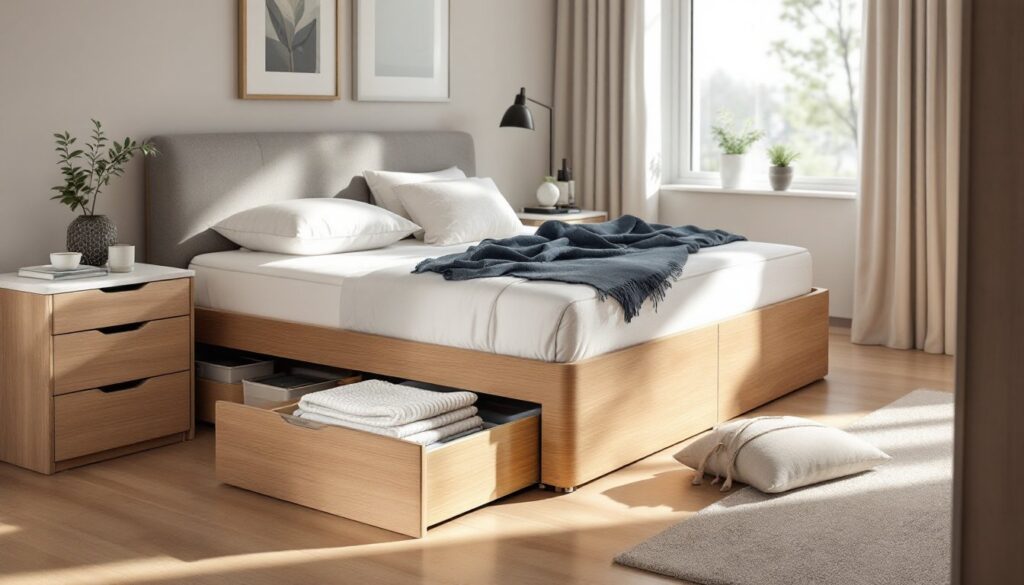
Under-bed storage ranks among the most underutilized space saving strategies. The average bed has 30 cubic feet of empty space beneath it. Rolling bins, vacuum bags, and flat containers can hold off-season clothing, extra bedding, or infrequently used items.
Stair risers in multi-level homes can become pull-out drawers. This renovation project costs more than other options but creates substantial storage without sacrificing any living space. Each step becomes a hidden compartment.
Window seats with hinged tops provide seating and storage simultaneously. They’re particularly effective in bedrooms and living rooms where floor space is limited.
Recessed shelving between wall studs creates storage without extending into rooms. Bathrooms commonly feature medicine cabinets using this technique, but the approach works anywhere. Built-in shelving between studs can hold books, toiletries, or decorative objects.
Corner spaces deserve attention too. Lazy Susans in kitchen cabinets make corner storage accessible. Corner shelving units fit odd angles that standard furniture cannot. These space saving strategies capture square footage that typically goes unused.
Room-by-Room Space Saving Tips
Different rooms present different challenges. Effective space saving strategies account for each room’s specific purpose and traffic patterns.
Kitchen
Kitchens require accessible storage for daily-use items. Magnetic strips hold knives and metal spice containers on walls. Tension rods create dividers in cabinets for baking sheets and cutting boards. Hooks under cabinets hang mugs and free up shelf space. Pull-out drawer organizers maximize deep cabinet utility.
Bathroom
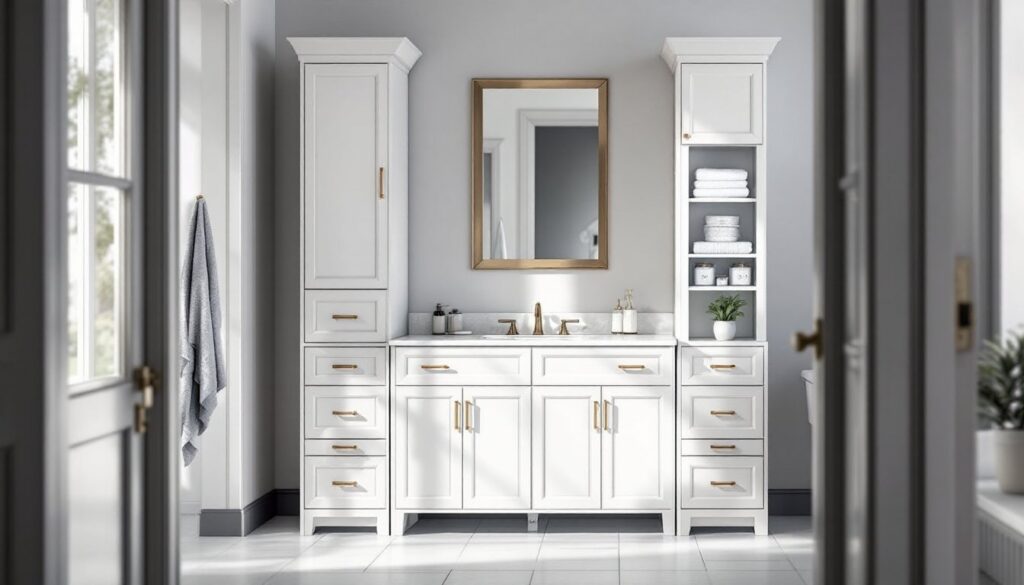
Bathrooms typically offer the least square footage. Over-toilet shelving units add three to four shelves without using floor space. Shower caddies keep products organized and off tub edges. Tiered organizers under sinks maximize vertical cabinet space. Towel bars mounted on doors free up wall space for other uses.
Bedroom
Bedrooms benefit from closet optimization systems. Double-hang rods instantly double hanging capacity. Shelf dividers keep folded items from toppling. Drawer dividers organize smaller items like socks and accessories. Headboards with shelving replace bedside tables entirely.
Living Room
Living rooms need flexible space saving strategies. Floating entertainment centers eliminate bulky TV stands. Baskets and decorative boxes hide toys, remotes, and magazines. Console tables behind sofas add surface area without blocking pathways. Wall-mounted lighting removes floor lamps from tight corners.