

Storage solutions for beginners can transform a cluttered home into a calm, functional space. The difference between a chaotic room and an organized one often comes down to smart storage choices. Whether someone lives in a studio apartment or a four-bedroom house, the right approach to storage makes daily life easier.
This guide breaks down the basics of home organization. Readers will learn how to assess their needs, choose the right products, and avoid common pitfalls. No fancy systems or expensive tools required, just practical advice that works.
Table of Contents
ToggleKey Takeaways
- Storage solutions for beginners should start with assessing needs and decluttering before purchasing any containers or organizers.
- Categorize belongings by frequency of use—daily items need accessible spots, while seasonal items can go in closets or under beds.
- Maximize vertical space by installing shelves above doorways, using tall bookcases, and adding over-the-door organizers.
- Multi-functional furniture like beds with drawers and ottomans with hidden storage helps small spaces work harder.
- Avoid common mistakes like buying containers before decluttering, choosing style over function, or creating overly complicated systems.
- Simple, well-placed storage solutions reduce stress, save time, and make daily routines smoother.
Why Proper Storage Matters
Good storage does more than hide clutter. It saves time, reduces stress, and protects belongings from damage.
Consider the morning rush. When keys, wallets, and bags have designated spots, people leave the house faster. They don’t waste ten minutes searching under couch cushions. That’s the power of intentional storage solutions.
Proper storage also extends the life of possessions. Clothes stored in breathable containers last longer than items stuffed in plastic bags. Books kept upright on shelves avoid spine damage. Seasonal decorations survive better in labeled bins than in random cardboard boxes.
There’s a mental health component too. Studies show that clutter increases cortisol levels, the stress hormone. A well-organized space promotes relaxation. People sleep better in tidy bedrooms and focus better in clean offices.
For beginners exploring storage solutions, understanding these benefits provides motivation. Organization isn’t about perfection. It’s about creating systems that support daily life.
Assessing Your Storage Needs
Before buying any bins or shelves, beginners should take inventory. What items need storage? Where do they naturally accumulate? What’s causing the most frustration?
Start with a room-by-room walkthrough. Note problem areas: the entryway pile of shoes, the kitchen counter covered in mail, the closet where things disappear forever. These trouble spots reveal storage gaps.
Next, categorize belongings by frequency of use:
- Daily items: Keys, phones, wallets, frequently worn clothes
- Weekly items: Cleaning supplies, hobby materials, workout gear
- Seasonal items: Holiday decorations, winter coats, camping equipment
- Rarely used items: Formal wear, archived documents, spare parts
This breakdown determines placement. Daily items need accessible storage solutions near entry points. Seasonal items can go in closets or under beds. Rarely used belongings belong in attics, basements, or high shelves.
Measure available space before shopping. That stylish shelving unit means nothing if it doesn’t fit. Write down dimensions of closets, wall spaces, and underutilized areas like the gap between the refrigerator and wall.
Budget matters too. Storage solutions range from dollar-store baskets to custom built-ins costing thousands. Beginners should start small. Test affordable options before investing heavily.
Essential Storage Solutions for Every Room
Different rooms require different approaches. Here’s what works best in each space.
Kitchen
The kitchen demands accessible, visible storage. Clear containers keep dry goods fresh and show when supplies run low. Drawer dividers separate utensils. A lazy Susan turns awkward corner cabinets into usable space.
Vertical storage solutions maximize cabinet space. Shelf risers double capacity. Hooks on cabinet doors hold pot lids or measuring cups. A magnetic knife strip frees counter space while keeping tools within reach.
Bedroom
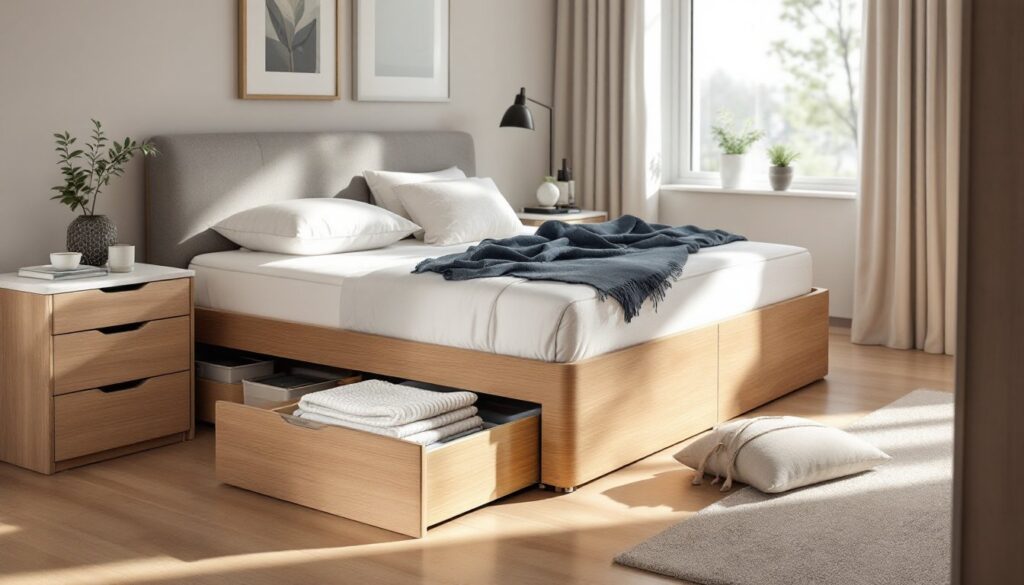
Under-bed storage remains one of the best storage solutions for beginners. Low-profile bins slide underneath and hold off-season clothing, extra linens, or shoes. Vacuum bags compress bulky items like comforters.
Closet organization starts with matching hangers. They create visual consistency and save space compared to bulky plastic hangers. Add a hanging organizer for accessories. Use shelf dividers to keep folded stacks from toppling.
Bathroom
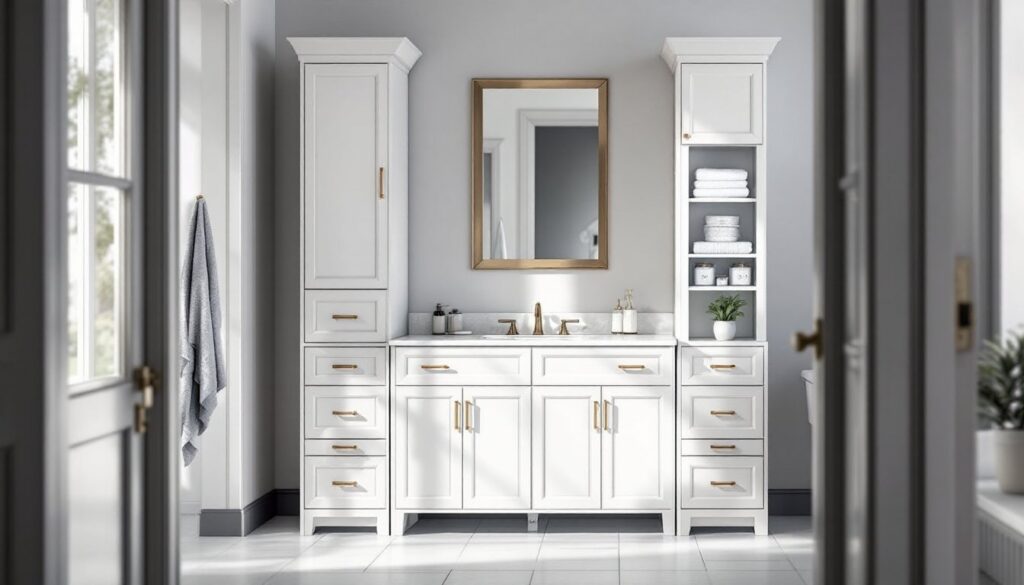
Bathrooms are small but hold many items. Over-the-toilet shelving adds vertical storage. Shower caddies corral bottles. Drawer organizers prevent makeup and toiletries from becoming a jumbled mess.
Clear containers work well here too. They let users see contents at a glance and add a clean, cohesive look.
Living Areas
Ottomans with hidden storage hold blankets and remote controls. Floating shelves display items while saving floor space. Baskets tucked on shelves hide cables, magazines, or kids’ toys.
Entryway organization prevents clutter from spreading. A small bench with shoe storage, hooks for bags and coats, and a tray for keys creates a functional landing zone.
Tips for Maximizing Small Spaces
Small homes require creative thinking. Every inch counts, and storage solutions must work harder.
Think vertically. Walls offer square footage that floors can’t spare. Install shelves above doorways. Use tall bookcases instead of wide ones. Hang pots from ceiling racks in the kitchen.
Doors are underutilized real estate. Over-the-door organizers work in closets, bathrooms, and pantries. They hold everything from shoes to spices to cleaning supplies.
Multi-functional furniture transforms small spaces. A bed with built-in drawers eliminates the need for a separate dresser. A coffee table with storage hides board games and blankets. A fold-down desk provides workspace without permanent floor commitment.
Decluttering remains the most effective storage solution for small spaces. Less stuff needs less storage. Before organizing, remove items that no longer serve a purpose. Donate, sell, or recycle what’s no longer needed.
Group similar items together. Keeping all craft supplies in one spot prevents buying duplicates. Consolidating categories reveals how much space each hobby or activity truly requires.
Rotate seasonal items. Store winter coats during summer and vice versa. This approach keeps closets manageable year-round.
Common Mistakes to Avoid
Beginners often make predictable errors when implementing storage solutions. Learning from others’ mistakes saves time and money.
Buying containers before decluttering. It’s tempting to buy matching bins and start organizing immediately. But containers should fit what remains after editing possessions. Declutter first. Measure second. Shop third.
Choosing style over function. That woven basket looks beautiful but doesn’t suit damp bathroom environments. Storage solutions must match the context. Form follows function.
Creating systems that are too complicated. If putting something away takes multiple steps, the system will fail. Simple storage solutions work best. Items should have obvious homes that require minimal effort to maintain.
Ignoring vertical space. Floor space fills quickly. Many beginners forget to look up. Walls, door backs, and upper cabinet areas offer valuable storage opportunities.
Overbuying matching containers. Uniformity has aesthetic appeal, but buying twenty identical bins before testing one is risky. Start with a few pieces. Evaluate what works before committing to a full set.
Storing items in inconvenient locations. Logical placement matters. Keeping coffee mugs far from the coffee maker creates friction. Storage should support natural workflows, not fight against them.