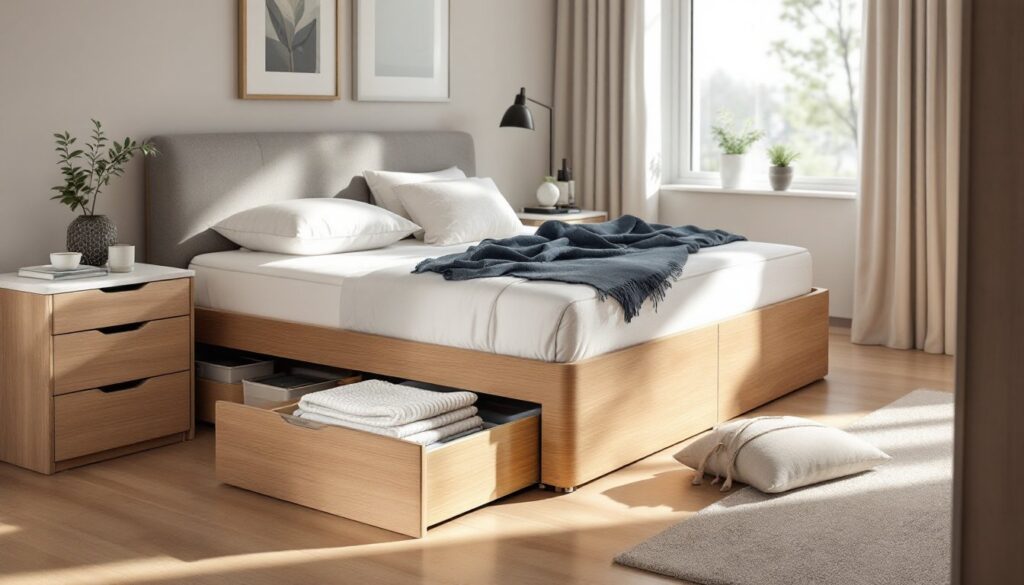


A bedroom bench with storage solves two problems at once: it gives you a place to sit while you dress, and it swallows clutter that’d otherwise sprawl across your floor. Whether you’re working with a tiny master bedroom or a guest room that’s more closet than space, a storage bench is one of those rare projects that adds real function without eating square footage. The best part? You don’t need advanced carpentry skills to find or build one that matches your style and fits your budget. This guide walks you through the options, what to look for, and how to make the most of your new bench.
Table of Contents
ToggleKey Takeaways
- A bedroom storage bench solves dual problems by providing a seating spot and hidden storage, making it especially valuable for small bedrooms without requiring renovation or extra furniture.
- Upholstered storage benches (typically $200–$600) offer comfort and finished aesthetics, while wood and industrial designs are more budget-friendly and age beautifully with styles ranging from farmhouse to modern.
- Measure your space carefully—benches work best at the foot of the bed, should be 48–56 inches long for a queen bed, and need 18 inches of clearance in front to open the lid comfortably.
- Choose a bench depth based on storage needs: shallower designs (16–18 inches) work for flat items like quilts, while deeper benches (20–24 inches) accommodate bulky seasonal clothing and pillows.
- Interior organization with clear labeled bins, liner paper, and 10–15% empty capacity keeps items protected from dust and moisture while ensuring the lid opens and closes smoothly.
- Verify construction quality by checking for mortise-and-tenon joints, soft-close hinges, and fabric durability ratings (minimum 15,000 Martindale rub count) to ensure your storage bench lasts for years.
Why Bedroom Storage Benches Are Essential For Small Spaces
If your bedroom feels cramped, a storage bench is deceptively practical. It replaces the footboard or wall space you’d waste anyway, tucking away extra linens, seasonal clothes, or throw pillows that don’t fit in the closet. Instead of tossing a decorative ottoman at the foot of the bed, you get a proper seat with actual storage capacity underneath.
Small bedrooms especially benefit because a bench doesn’t require a second piece of furniture, you’re consolidating. One item handles seating, storage, and visual weight simultaneously. A 24-inch wide by 18-inch deep bench is a minimum functional size for most bedrooms: anything smaller and you’re sacrificing either comfort or capacity. The bench also works as a landing spot for your partner while you tie your shoes or put on makeup, which beats perching on the bed in wrinkled sheets.
Storage benches also stop clutter from migrating to other parts of the room. With a designated home for off-season items or spare blankets, you’re less likely to stack things on chairs or the dresser. That psychological win, having a “place for things”, matters more than people think.
Types Of Storage Benches For Every Bedroom Style
Upholstered Storage Benches
Upholstered benches are the go-to if you want something that feels finished and looks intentional in the bedroom. Fabric options run from linen and microfiber to leather, and the padding underneath makes them comfortable to sit on without a cushion. A solid wood frame with an upholstered top is the standard construction, look for kiln-dried hardwood (oak or birch) to avoid warping, especially in humid climates.
When shopping for an upholstered bench, check the hinge mechanism. Heavy-duty soft-close hinges are worth the extra cost because they prevent the lid from slamming shut and pinching fingers. Storage capacity ranges from 12 to 20 cubic feet depending on depth and length. Most upholstered benches cost between $200 and $600 depending on quality and size: budget options exist below that, but they often have thinner frames and flimsy hinges that fail within a year.
Fabric choice matters for maintenance. Microfiber resists stains and pet hair better than natural linen, though linen looks richer and ages better. If pets or kids share the bedroom, microfiber or performance fabrics are practical choices. Always ask about fabric durability ratings, look for a minimum 15,000 Martindale rub count for regular household use.
Wood And Industrial Designs
Wood benches with open or slatted designs fit farmhouse, rustic, or industrial styles. These often have a lower price point than upholstered versions and age beautifully because wood develops character over time. Reclaimed or distressed wood finishes hide wear, making them forgiving in high-traffic bedrooms.
Industrial benches pair wood with metal legs or frames, think steel tubing or wrought iron, and work well in modern or industrial bedrooms. The open design below the seat shows the floor, making the room feel less cluttered visually, even though you’re storing just as much inside.
One trade-off: wood and open-frame benches aren’t as comfortable for lounging bare-legged because there’s no padding on the seat. If sitting comfort is a priority, add a removable cushion (2 to 3 inches thick) on top. You can also find storage solutions examples that combine wood bases with cushioned tops, blending both aesthetics.
Built-in benches (custom or semi-custom) represent a third category but require cabinetry skills or a professional carpenter. They’re more expensive upfront but offer perfect fit and finish tailored to your space. If you’re not ready for that commitment, freestanding benches are infinitely more forgiving.
How To Choose The Right Storage Bench For Your Space
Start by measuring your space accurately. A bedroom bench fits naturally at the foot of the bed or against a wall opposite the bed. Measure length, depth, and clearance, you need at least 18 inches of floor space in front of the bench to open the lid comfortably. If your bed is a standard queen (60 inches wide), a bench should be roughly 48 to 56 inches long to feel proportional.
Next, think about what you’re actually storing. Off-season clothes take up more room than throw blankets, so match capacity to need. A shallower bench (16-18 inches deep) works if you’re just stashing flat items like quilts. A deeper bench (20-24 inches) handles bulky stuff like winter coats or pillows.
Style is the third consideration, and it ties to everything else in your room. A rustic wood bench looks intentional in a farmhouse bedroom but out of place in a minimalist modern room. An upholstered bench in neutral tones works almost anywhere. Best storage solutions often balance aesthetics with function, pick something that matches your existing decor and will stay timeless rather than trendy.
Don’t ignore construction details. Check corner joints for mortise-and-tenon or dowel construction (stronger than staples and glue). The lid should sit flush and seal reasonably to keep dust out. If buying online, read reviews about durability and assembly difficulty, some benches ship flat-packed and require drilling and screwing, while others arrive nearly assembled.
Finally, consider your budget and timeline. A quick Walmart or Target bench runs $100–$300 and arrives in days. Mid-tier options from specialty furniture stores cost $400–$800. Custom-built or high-end pieces exceed $1,000 but last decades. There’s nothing wrong with starting cheaper if you want to test the concept in your bedroom first.
Practical Placement And Organization Tips
Position your bench where it doesn’t block bedroom traffic flow. The foot of the bed is most common, but if your bedroom is narrow, placing the bench against a perpendicular wall works too. Make sure there’s a clear path to the door and closet, a bench that forces you to shuffle sideways will annoy you daily.
Inside the bench, use clear plastic storage bins or cedar boxes to corral items by category. Label each container so you’re not hunting for that one set of winter sheets in March. Liner paper or fabric inside the bench protects stored items from dust and the wood surface from moisture. In humid climates, add a silica gel packet or small dehumidifier pack to prevent mold, bedrooms often have less air circulation than other rooms.
Don’t stuff every inch of the bench. Overpacking makes it hard to open and close the lid, and items get crushed. Leave about 10–15% of capacity empty so you can access things without Tetris-ing everything back in. If you’re storing linens, use vacuum-seal bags to halve the space required, but don’t leave them sealed permanently, rotate them seasonally so fibers can breathe.
On top of the bench, you can place decorative pillows, a small lamp, or a vase, just keep the surface clear enough that opening the lid doesn’t require moving a dozen items. Some people add a cushion on top to make the bench usable as an extra seat without the storage function showing. Resources like The Handyman’s Daughter offer practical projects if you want to build a bench from scratch, though that requires woodworking tools and space.
If your bench doesn’t seal perfectly, periodically vacuum out dust. A dry brush or compressed air works too. The goal is making your storage bench earn its space, not become a decorative dust trap.
Conclusion
A bedroom storage bench is one of those upgrades that pays dividends from day one. It solves clutter without requiring renovation or extra furniture, and it’s comfortable enough to sit on while you dress or tie your shoes. Whether you go upholstered, wood, or industrial, the key is matching the bench to your space, needs, and style, not just grabbing the first option that fits the doorway. Measure twice, think about what you’re storing, and don’t rush past the assembly or placement details. Done right, a storage bench becomes an essential part of your bedroom for years to come.